
The Unseen Battle: Safeguarding Your Vision in Documentary and Commercial Photography
January 6, 2017
Ethics and Practice of Birding and Photography — Bird Photography at Bhopal
June 28, 2025
The Unfiltered Lens: Why Documentary Photography is Essential for Capturing Truth & Impact
As a photographer specialising in both documentary and commercial work, I often reflect on the intrinsic power of our medium. Why do we choose to take photographs? What gives a photograph its unique ability to resonate so profoundly, distinguishing it from a painting, a sculpture, or even a poem?
The answer lies in the photograph's unparalleled capacity to freeze reality in a moment. It uses light and time to tell a story that is inherently authentic, emotional, and immediate. Unlike other art forms that interpret or re-imagine, photography uniquely records. When this act of recording is imbued with purpose and intent, it transcends a mere snapshot and becomes documentary photography – arguably one of the most potent forms of visual storytelling and historical documentation.
The Power of Real Stories Told Through a Lens
Documentary photography is far more than just taking pictures. It's about immersing ourselves in life as it unfolds, capturing real people, real moments, and raw emotions. Throughout history, it has served as a critical mirror to society, unflinchingly exposing injustice, inequality, the ravages of war, and poverty, but also celebrating resilience and hope.
Consider the indelible impact of photojournalism during the Vietnam War. Harrowing images of conflict and civilian suffering were not just photographs; they were catalysts for change, profoundly shaping public opinion and even contributing to political shifts that led to the eventual withdrawal of U.S. forces. This is the very essence of documentary photography: it doesn't just narrate; it shows.
It evokes empathy, drives awareness, and possesses the undeniable potential to lead to reform. A single photograph, if honest and powerful enough, holds the transformative power to shift public consciousness.
Emotional Impact and Visual Truth in Documentary Work: At its best, documentary photography unveils layers beyond the visible frame. It's not merely about what's physically present but about what the image profoundly represents.
Does the photograph reflect reality truthfully?
Does it symbolize something larger – a political movement, a pressing social issue, or a significant cultural shift?
Why is this specific moment worth remembering and preserving?
Take Jeff Widener’s iconic image from Tiananmen Square, 1989: a lone protester standing defiant before a line of tanks. This single image transcended its moment, becoming a universal symbol of resistance and courage. Like the protester, the documentary photographer often becomes a quiet figure of change – wielding a camera where others use a voice.
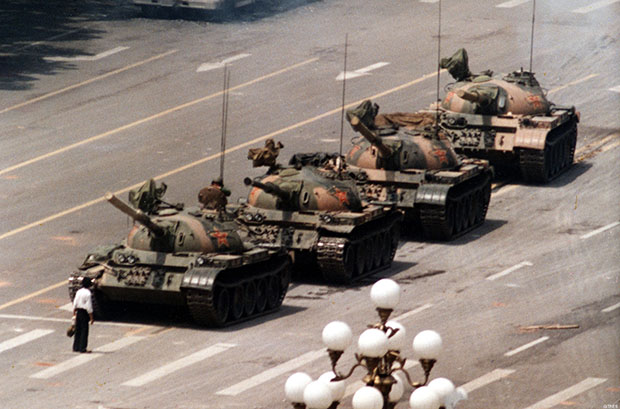
The Tank Man: Jeff Widener
The Many Faces of Documentary Photography
The realm of documentary photography is vast and varied; it isn't confined solely to war zones or social crises. Its principles extend across numerous genres and styles, including:
Event Photography (capturing the authentic narrative of an occasion)
Street Photography (documenting the unscripted theatre of urban life)
Sports Photography (freezing the raw emotion and athleticism of competition)
Food Photography (telling the story of culinary culture and processes)
...and many more.
Regardless of the subject, the overarching goal remains constant: to tell the truth of a moment with honesty and respect.
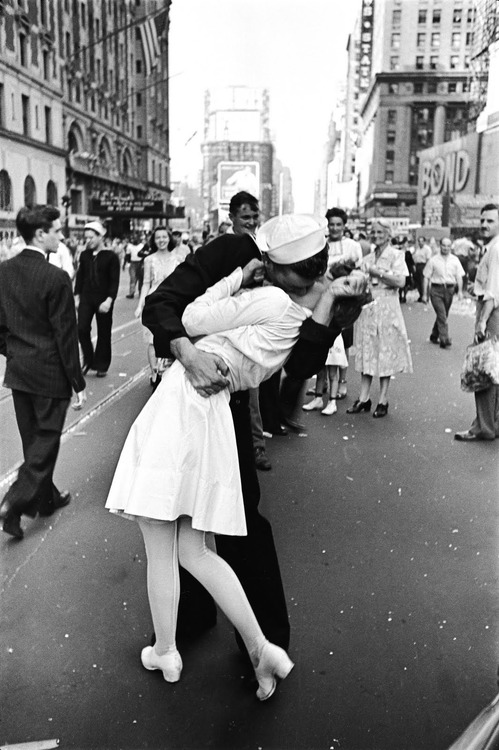
The Kiss: Photo by Alfred Eisenstaedt, 1945
Why Documentary Photography Still Matters Today
In an era saturated with smartphones and social media, where virtually anyone can snap a picture, the value of trained, ethical documentary photographers has paradoxically only soared. With shrinking newsrooms and the very profession of photojournalism facing unprecedented threats, the responsibility to document real life – accurately, ethically, and with depth – is more critical than ever.
Professional documentary photography brings a level of depth, context, and meaning that goes far beyond a casual snapshot. It offers an unfiltered reflection of the world, presenting human experiences in ways that are profoundly relatable and authentic.
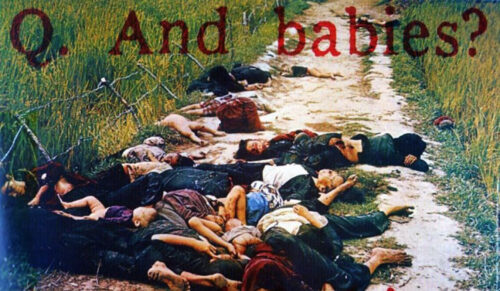
And babies: Photo by Ronald L. Haeberle, 1968
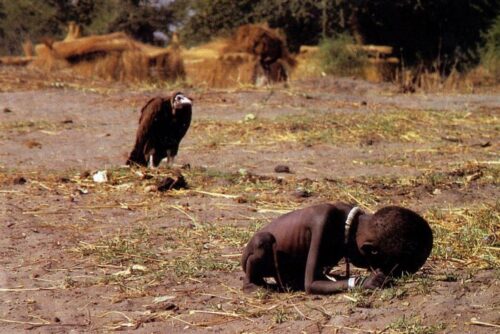
Vulture Stalking a Child: Photo by Kevin Carter, 1993
Your Camera: A Tool for Truth
Many of us photographers feel a profound moral imperative to document the world around us – to highlight injustice, preserve invaluable cultural heritage, and celebrate unseen beauty. Whether it's the vibrant chaos of a bustling street in Bhopal, the solemn dignity of a tribal ceremony in the Northeast, or the quiet resilience of rural life, every single frame we capture has the potential to become part of a greater historical record.
As a documentary photographer, you don't just "shoot pictures." You witness. You preserve. You speak through the powerful, honest language of your lens.
What Do You Think? Are you a documentary photographer, or do you aspire to become one? Do you incorporate a documentary or photojournalistic style into your work? Share your thoughts and experiences below – and if you have compelling images that capture truth, emotion, or untold stories, feel free to share them in the comments. Let's collectively build a visual archive that truly matters.