
Instagram Ethics and Practice
September 10, 2015
Breaking Barriers: The Unseen Strength of Women in Documentary & Conflict Photography
August 12, 2016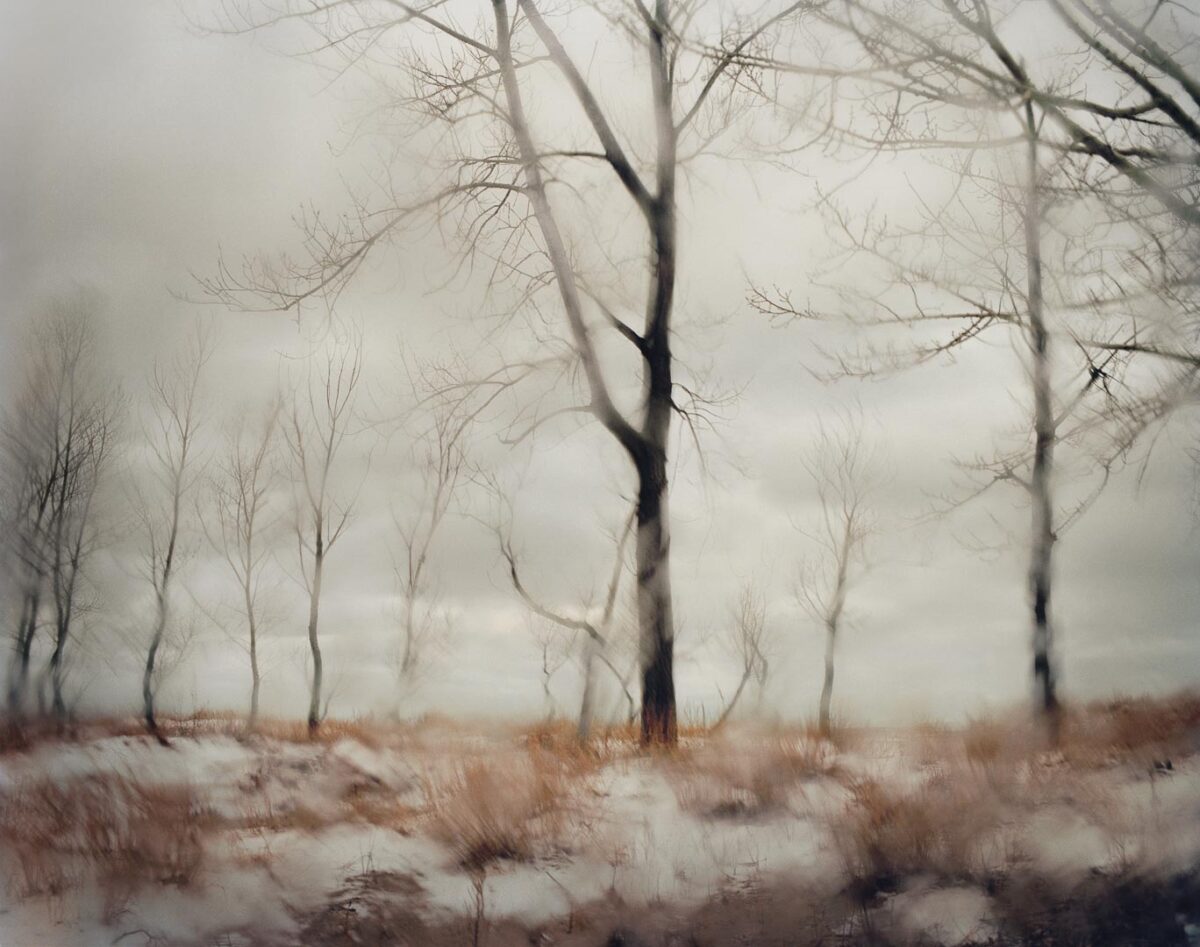
The Soulful Lens: Why Sharpness Takes a Backseat in Documentary & Commercial Photography
As a documentary and commercial photographer, I believe our ultimate goal is to tell compelling stories and evoke genuine emotion. In this pursuit, one technical obsession often overshadows artistic intent: sharpness. While a crisp image has its place, I find myself echoing Henri Cartier-Bresson's profound statement: "Sharpness is a bourgeois (rich person) concept."
Let's explore why, in the world of authentic visual storytelling, the soul of an image consistently trumps its pixel-perfect clarity.
1. Softer Lenses, Deeper Emotions
Early in my digital photography journey, I, like many, equated sharpness with quality. Yet, experience has taught me a vital lesson: a sharper photo isn't inherently a better photo. Often, a subtly softer photograph delivers a more pleasing, warm, and emotionally resonant aesthetic.
Consider the evocative work of photographers like Junku Nishimura, whose 35mm film captures, often with an older 50mm f/2.8 lens, possess a dreamy, nostalgic quality. His images wouldn't carry the same weight if shot with a clinical, high-end digital setup. The inherent softness of film often lends an aesthetic beauty that overly sharp digital images can lack, which explains the growing trend of digital photographers embracing film.
Digital images, at times, can feel too perfect, too precise, almost sterile. The film, in its beautiful imperfection, often feels more nostalgic, echoing the cherished, imperfect memories of our childhoods. I know I treasure the softer, film-shot photos taken by many people far more than any hyper-sharp smartphone capture today.

Todd Hido
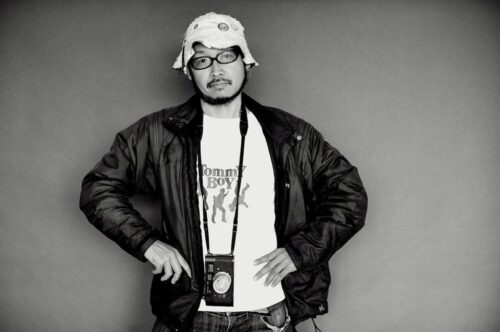
Junku Nishimura
2. Art Transcends Technical Specifications
Many of us photographers, myself included, are drawn to the technological marvels of cameras and lenses. Photography, for me, was always a fascinating blend of technology and art. Naturally, we become captivated by the gear.
However, a significant pitfall on the internet is the pervasive "sharpness test." This obsession often stems from a scientific or engineering mindset, where we attempt to quantify the "goodness" of a photograph through technical metrics like sharpness or resolution. But art, by its very nature, resists such rigid quantification.
3. The Impressionist Lesson: Art Embraces Imperfection
Is a painting "sharp"? Not in the way we define photographic sharpness. Think of the Impressionists. Their genius lay not in replicating reality with precise detail, but in using dreamy, imperfect brushstrokes to evoke a mood, a feeling. They understood that the power of an image wasn't its fidelity to reality, but its ability to reflect their personal vision and emotional landscape.
4. Blurry Can Be Beautiful: Emotion in Movement
Sometimes, an out-of-focus or slightly blurry photograph can convey more emotion and a stronger sense of mood. Blur can suggest movement, energy, and the fleeting nature of a moment, offering a dynamic counterpoint to a perfectly tack-sharp image. The "goodness" of blur depends entirely on the emotion you aim to evoke.
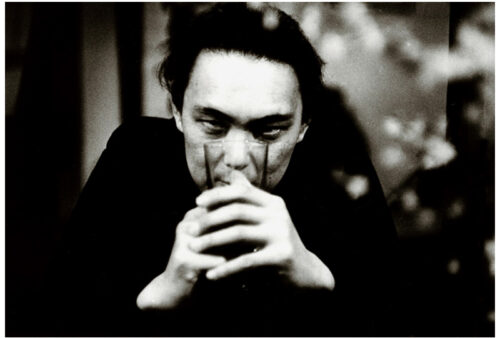
A portrait by Junku Nishimura
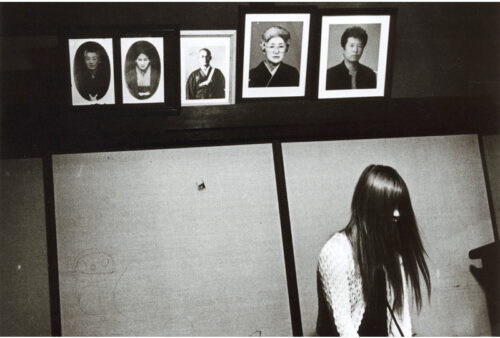
"Life in Hood" by Junku Nishimura
5. The Screen Test: Does Sharpness Truly Matter?
Over the years, I've shot with a diverse range of cameras—from a Canon Powershot SD 600 to a Leica M9 and Ricoh GR II, using everything from expensive Leica Summicron lenses to integrated compact camera optics. Honestly, when viewing my final images, it's incredibly difficult to discern which camera or lens was used based purely on sharpness.
Only the most dedicated "pixel peeper" would examine images at 100% resolution. Can you imagine attending a photography exhibition and critiquing the sharpness of the prints? It's a testament to how little sharpness truly matters to the average viewer or even the discerning art patron.
6. Photographing Souls, Not Brick Walls
Please, for the sake of your artistic growth, avoid websites dedicated to sharpness tests on brick walls. Are you planning a career photographing inanimate objects, or are you driven to capture the profound soul and narrative of your subjects in documentary and commercial contexts? Our focus should always be on the story, the emotion, and the human element.
7. The Smartphone Lens: Real-World Viewing
Consider how most of your audience will consume your work. While large prints might benefit from higher resolution, the vast majority of your images, especially in the commercial and documentary space, will be viewed on social media, websites, or a 5-inch smartphone screen. On these platforms, the subtle differences in lens sharpness are virtually imperceptible.
8. Invest in Growth, Not Gear
Instead of pouring vast sums into the latest, sharpest lenses, redirect that investment into avenues that truly enhance your craft and vision. Attend workshops, travel to new locations for documentary projects, or build an inspiring library of photography books.
That INR 1.5 lakh lens could instead fund a transformative weekend workshop. That INR 75 thousand lens could finance an international trip, offering invaluable opportunities for unique documentary work, or allow you to acquire a dozen insightful photo books. For me, education and experience offer the highest return on investment. The knowledge gained and the moments lived are permanent assets, unlike a lens, which is merely a tool.
When in doubt, always choose books and experiences over gear.
9. Embrace Creative Constraints: The Fixed Lens Advantage
I'm a strong advocate for cameras with non-interchangeable lenses, like the Ricoh GR II or the Fujifilm X100T. These cameras are often incredibly compact, lightweight, and surprisingly sharp. More importantly, they eliminate the mental burden of choosing the "right" lens. Being "stuck" with a single lens becomes a powerful creative constraint, forcing you to think more deeply about composition, light, and perspective, ultimately fostering greater creativity.

An interior photograph by Todd Hido

A Portrait by Todd Hido
10. Master Your Tools, Whatever They Are
Ultimately, the most crucial advice is to simply use the camera you have. If your current camera or lens is known for being "soft" or less sharp, embrace it. Turn that perceived limitation into a unique artistic advantage. While I often find monochrome photos aesthetically pleasing with a softer feel, photographers like Todd Hido have masterfully used soft colour palettes to create breathtaking work.
Disregard gear review sites, sharpness tests, and the endless debates in online forums. Be content with the equipment you already possess, and always remember the true essence of photography: it's about creating meaning in your life and the lives of others, not merely creating technically perfect images.