
Candid Wedding Photography in India: Is It Truly Candid or Creatively Posed?
February 5, 2015
The Soulful Lens: Why Sharpness Takes a Backseat in Documentary & Commercial Photography
January 8, 2016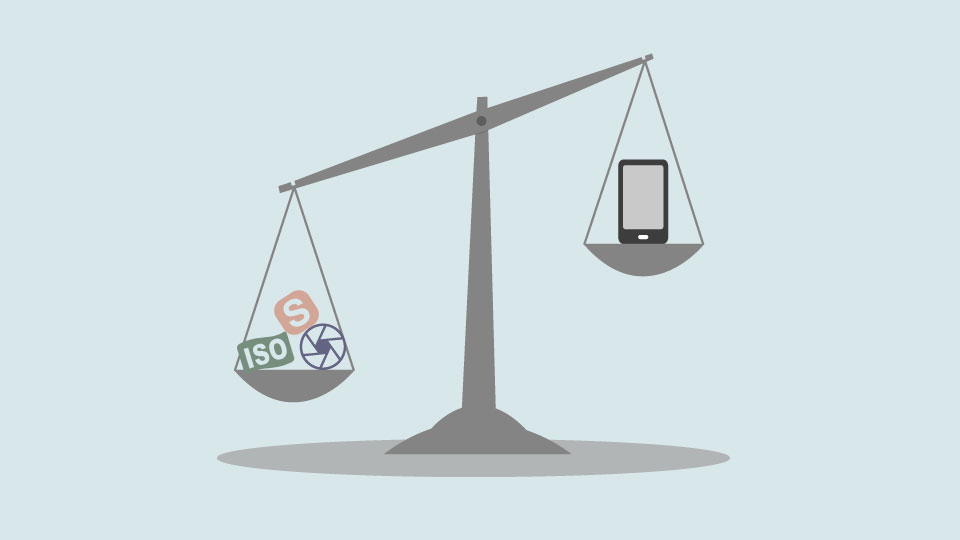
Instagram and Photography Ethics: Are We Losing the Original Purpose?
Instagram Ethics and Practice – A Modern Photographer’s Dilemma
The Email That Sparked the Thought
A few days ago, I received a reminder from a global editorial stock image company:
“Dear Sauvik, We would like to remind you that the use of mobile phones is strongly discouraged except in breaking news situations where a real camera isn’t accessible. You must clearly identify smartphone images with the Editor’s Note: ‘Image was created with a smartphone.’”
This triggered a broader reflection: Where do we draw the line between photographic ethics and evolving practices—especially on platforms like Instagram?
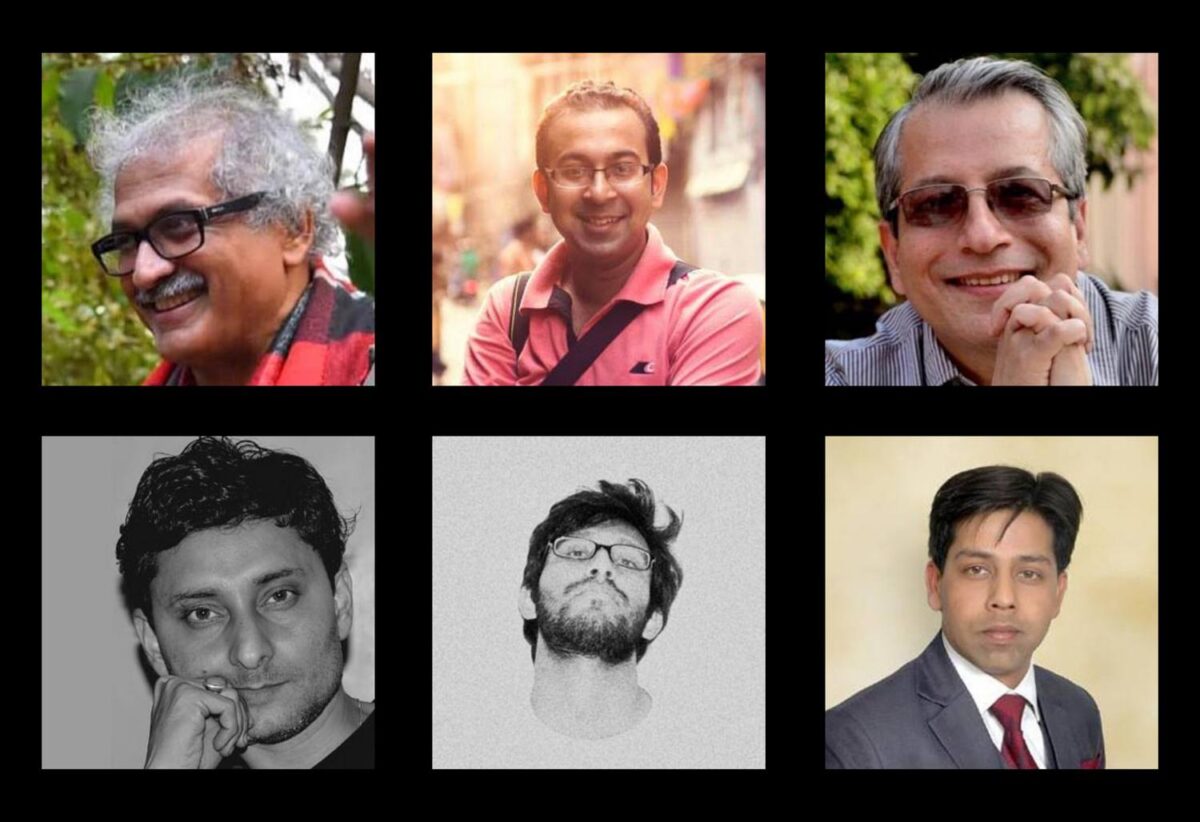
A collage of portraits (clockwise): Aditya Arya, Soumya Shankar Ghoshal, Ravi Dhingra, Joydeep Mukherjee, Debmalya Roy Choudhury, Kapil Inderjit Vohra
Instagram: A Platform or a Medium?
Kolkata-based documentary photographer Soumya Shankar Ghoshal challenges a popular myth in his blog: “Instagram photography is mobile photography. That’s the myth. Instagram is a photo-sharing platform accessible via mobile, not restricted to mobile photography.”
Instagram’s own FAQ supports this: “Instagram is a fun and quirky way to share your life through photos… Snap a photo, add a filter, and share the moment.”
The key phrase here is “on the go”—a nod to smartphones—but nowhere does it prohibit professional gear.
The Ethical Ambiguity of Professional Posting
Renowned Delhi-based photographer Ravi Dhingra believes the shift is natural: “Instagram was made for quick, mobile moments. But today, it’s a full-fledged platform to showcase polished work—even DSLR images edited in Lightroom. There’s nothing unethical about that.”
So, has Instagram evolved beyond its principles? Or are users simply evolving with it?
Technology Evolution vs Ethical Purity
Veteran photographer and conservator Aditya Arya calls out the hypocrisy: “Today’s DSLRs are built for instant sharing. Even film negatives are digitized and uploaded. Why single out photographers for bending Instagram’s ‘rules’? Ethics should be universal—not selective.”
He adds: “180 years of photography is proof—technology keeps evolving. So should our mindset.”
Should Instagram Enforce or Evolve?
Photographer Joydeep Mukherjee echoes Arya’s view: “Instagram allows non-mobile images on its platform. So how ethical is it for them to not clarify this publicly? Either filter non-smartphone content or admit they’ve evolved.”
He adds that Instagram today is as much a marketing tool as it is a photo-sharing platform, used by advertising firms and agencies far beyond mobile-only content.
Public Opinion: From Practical Use to Personal Freedom
Camera repair expert Kapil Inderjeet Vohra puts it bluntly: “Instagram was meant for mobile use. But humans bend everything for convenience. We’ve simply used the platform for what we need.”
Kolkata-based photographer Debmalya Roy Choudhury adds: “If DSLR uploads help contemporary photography thrive, what’s the harm?”
Popularity of Instagram: A graphical presentation

A Camera and a spartphone: Graphical represetation View
Industry Voices: Smartphones as DSLR Catalysts
The Filter Dilemma: Creativity or Cliché?
In the end, professional photographers—Getty Images, Magnum Photos, and countless others—use Instagram as a storytelling tool, posting DSLR shots, edited visuals, and curated series.
Ethics? Maybe. But relevance? Definitely. Forget ethics. Just evolve. Time never stops.