
Instagram Ethics and Practice
September 10, 2015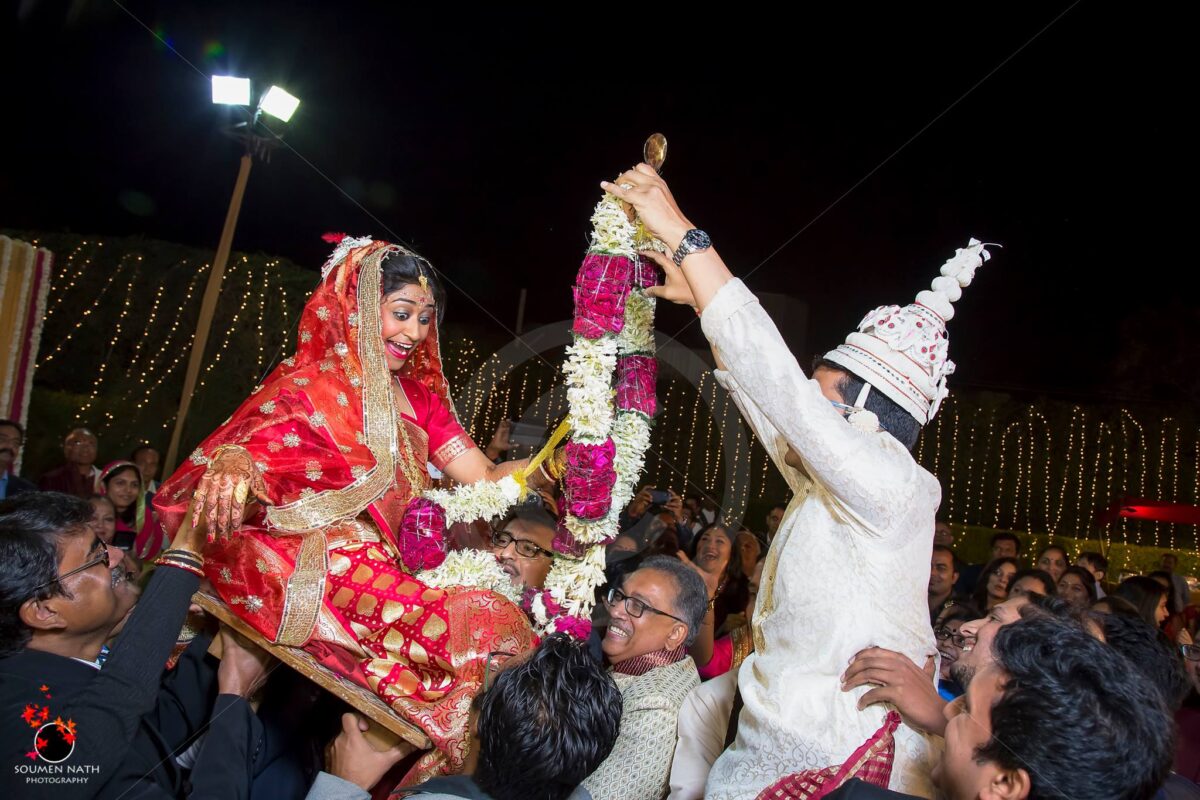
Candid Wedding Photography in India: Is It Truly Candid or Creatively Posed?
Introduction:
The Rise of Candid Wedding Photography
In recent years, candid wedding photography has become a buzzword in the Indian wedding industry. Every bride and groom wants their wedding album to be filled with “natural,” unposed moments. But the question remains—are these candid photos truly candid, or are they creatively directed to look spontaneous?
What Is Candid Photography—Technically?
- In motion
- Unprepared or surprised
- Undistracted by the camera
Importantly, candid photography is defined not by whether the subject knows they are being photographed, but by the absence of posing. However, if a subject is completely unaware of being photographed, it crosses into the realm of secret photography, which is a subset of candid photography but often controversial.
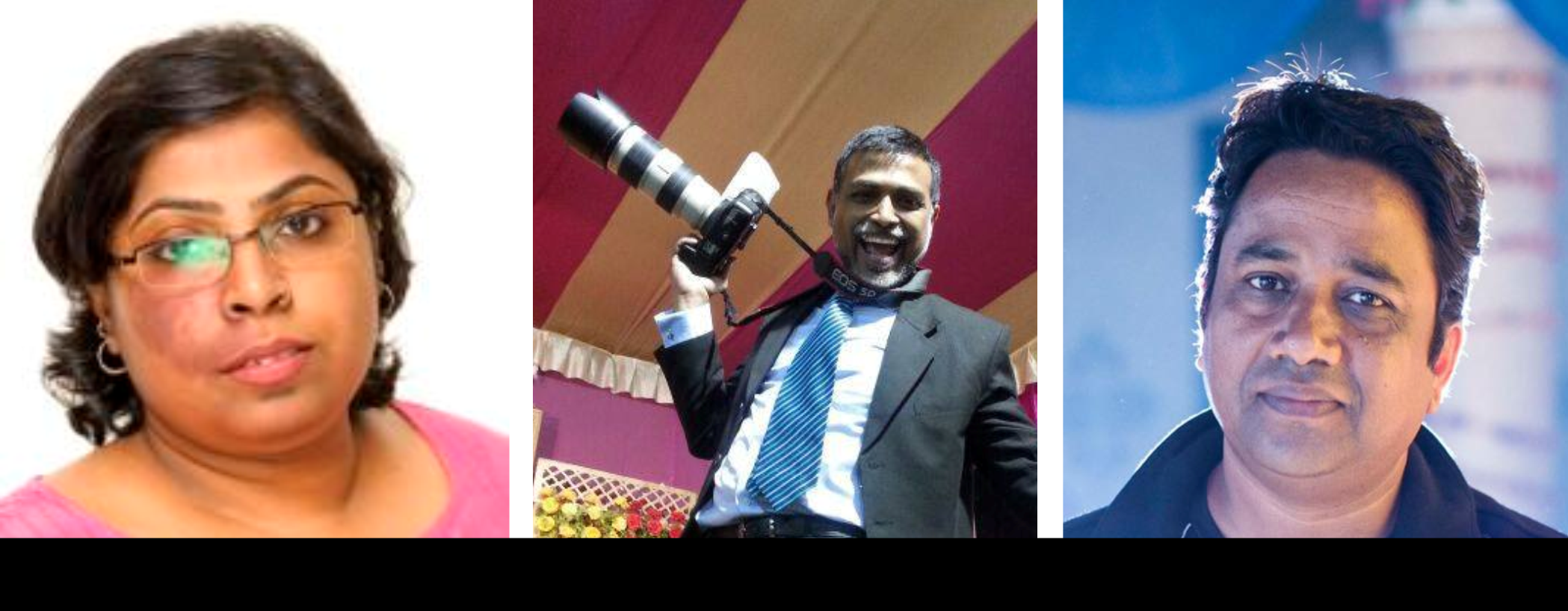
A Combined Portratit photographs for left to roght: Sanjukta Basu, Soumen Nath, Akil Khan
What Happens at Indian Weddings: Is It Really Candid?
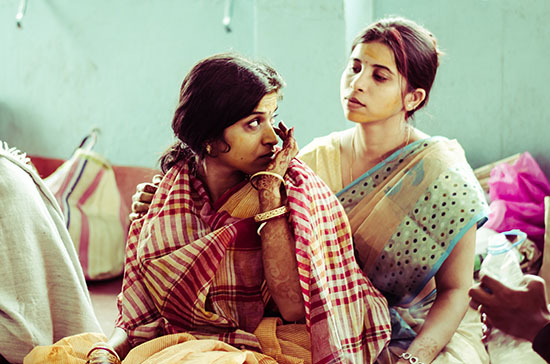
Writer and photographer Sanjukta Basu, in her article “The Lie Of ‘Candid’ Wedding Photography In India”, brings forth a powerful critique of this trend. Having aspired to be a documentary photographer herself, she argues: “The key aspect of documentary photography is authenticity, not prettiness. But most wedding clients want pretty pictures, even the so-called ‘candid’ ones.”
She points out that many shots marketed as candid—like the bride’s makeup application or emotional farewells—are often pre-composed or re-enacted to look spontaneous. Thus, they may feel candid, but aren’t truly so.
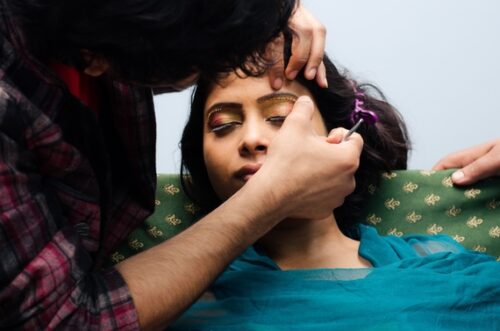
Photograph: Sanjukta Basu
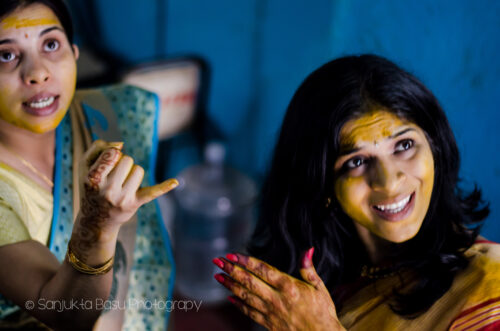
Photograph: Sanjukta Basu
A Photographer’s Perspective: It’s About Capturing the Moment
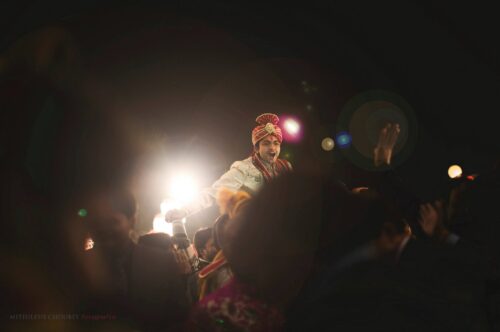
Veteran wedding photographer Soumen Nath, a contributor to Getty Images and iStock, offers a different lens. He clarifies: “It’s candid when it’s not posed. Being aware is fine, as long as it’s not staged. A photographer may shoot 1000–4000 photos in a day, and eventually, the bride and groom stop posing and go about their day. That’s when true candid moments emerge.”
This version of candid photography doesn’t require invisibility, just patience, timing, and intuition.
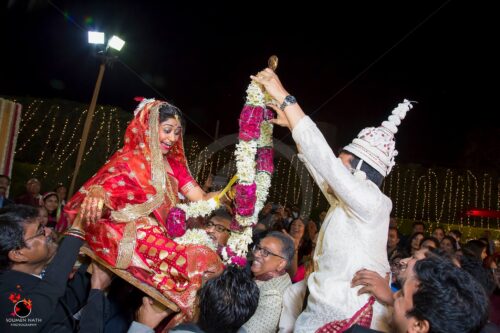
Photograph: Soumen Nath
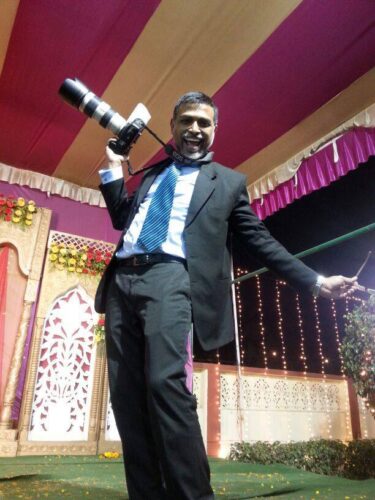
Soumen Nath
Creative vs. Candid: The Role of Portraiture
Aqueel Khan, a Bhopal-based wedding photographer who transitioned from engineering to photography, shares his on-ground experience: “Wedding photography includes planned portraits, traditional setups, and a percentage of candid images depending on the couple’s involvement and the photographer’s energy.”
He argues that portraits dominate modern wedding shoots—pre-wedding, post-mehndi, bridal shots—most of which are posed but often presented under the ‘candid’ label. In his view: “Candid photography needs creative effort and energy. But today, the term is loosely used. Maybe we should call it creative wedding photography instead.”
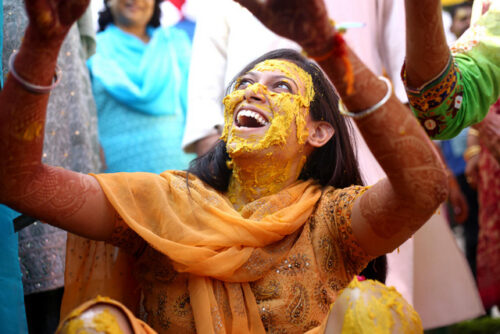
Photo: Akil Khan
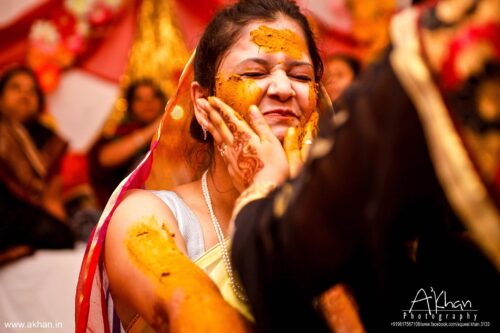
Photo: Akil Khan
The Commercialization of ‘Candid’
As wedding photography became a commercial industry, the term “candid” turned into a marketing label. From social media posts to wedding reels, photographers now stage moments to simulate spontaneity. While the result is often beautiful, the authenticity is questionable.
Even bridal makeup shots, often promoted as candid, are typically staged after the final touch-up, where a makeup brush is only held for effect, not function.
Photograph: Sanjukta Basu
Two decades ago, candid photography was rare in Indian weddings. Today, it’s expected—yet often misunderstood. While some photographers maintain the ethos of candid and documentary storytelling, many others stage emotions for visual appeal.
As clients, photographers, and artists, we need to reflect:
Are we seeking truth, beauty, or a stylized version of reality?
Photograph: Mithilesh Choubey
Mithilesh Choubey
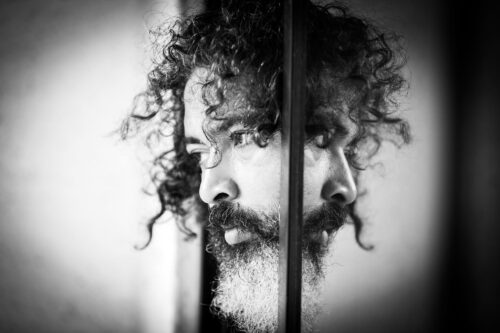
The word candid may have been overused, even misused. But at its heart lies a pursuit of something real—emotion, spontaneity, and honesty. Whether we label it candid, creative, or documentary, what matters is the intent and integrity behind the lens.
Let us wait for what the future brings, and let true creativity speak louder than labels. What do you think? Comment below.