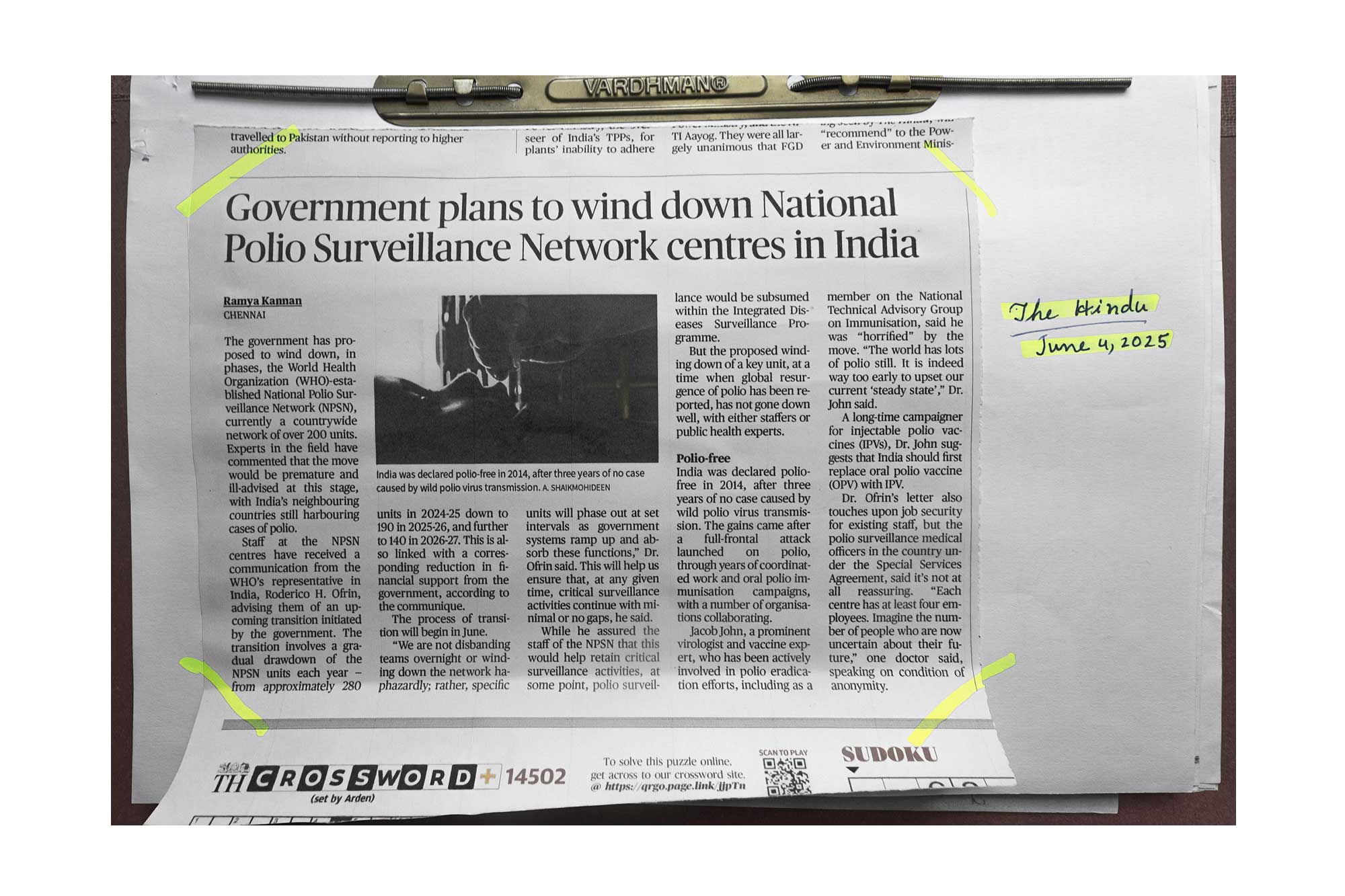
India’s declaration as a polio-free nation is often framed as a definitive endpoint—a moment of scientific success and administrative efficiency. Yet such declarations operate largely at the level of statistics and governance. They rarely account for the long afterlife of disease: the social, economic, and psychological terrains inherited by those whose bodies were permanently altered before eradication became possible. This photographic series situates itself within that aftermath, examining how national progress coexists with enduring inequality.
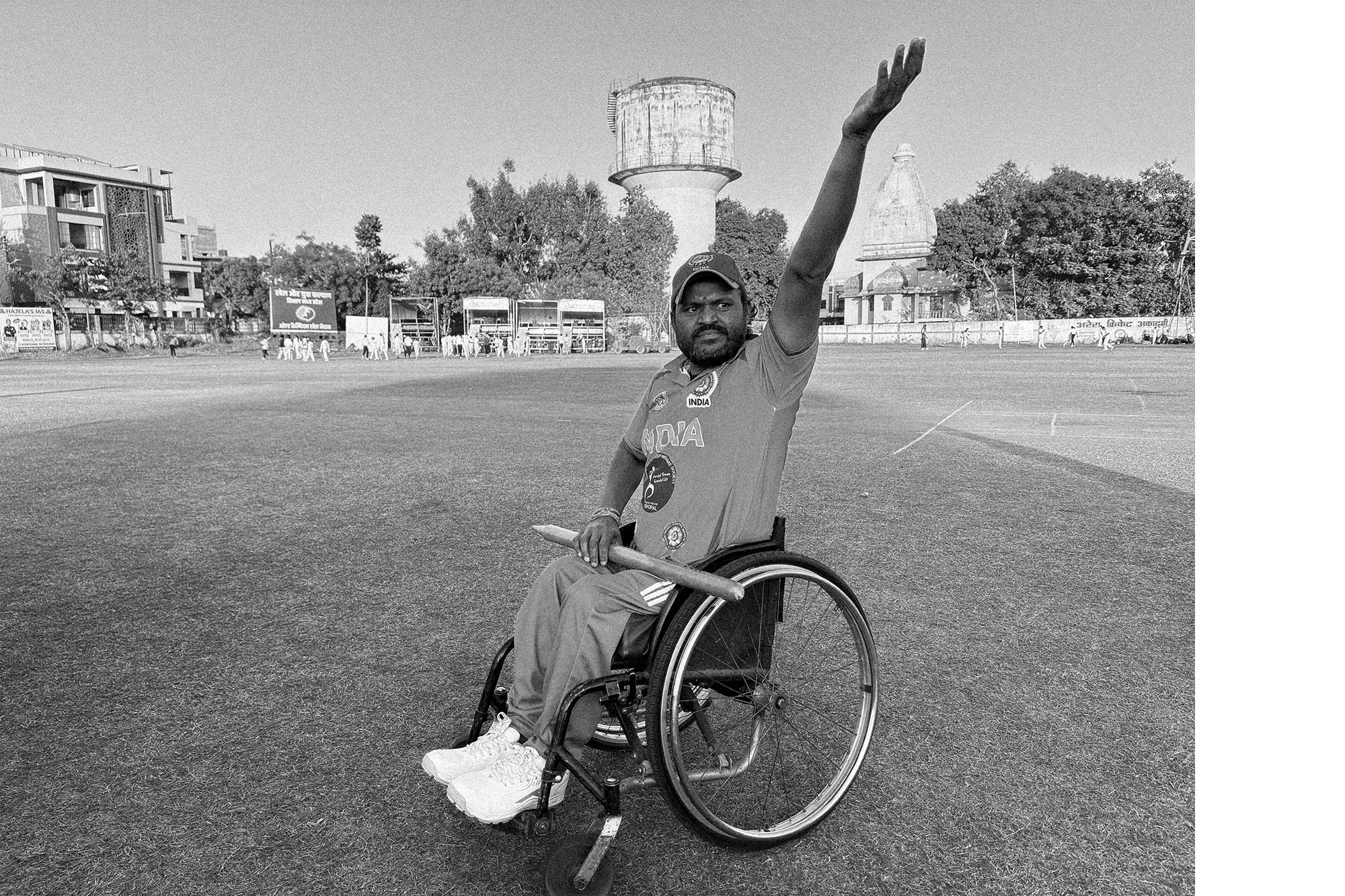
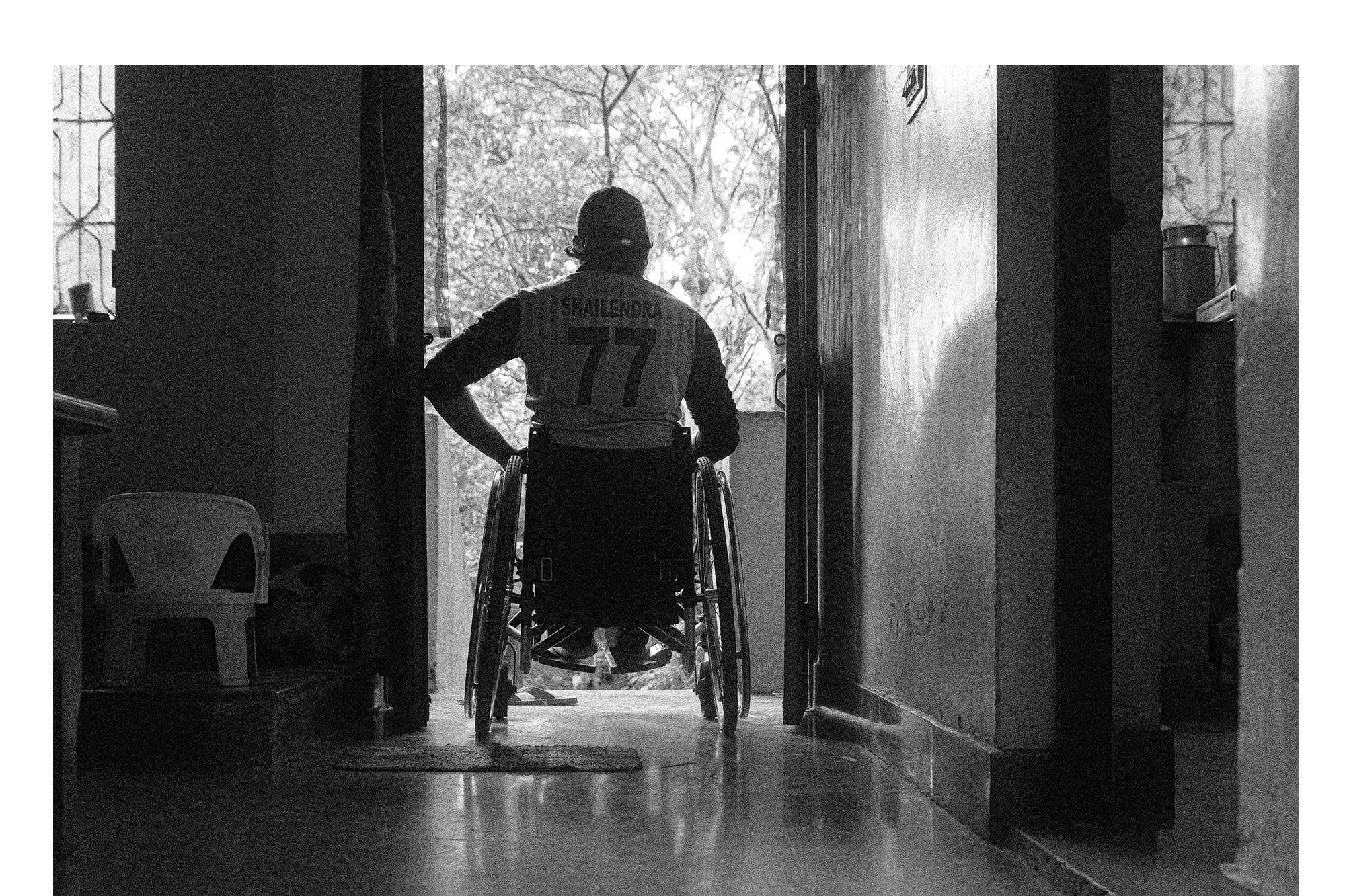
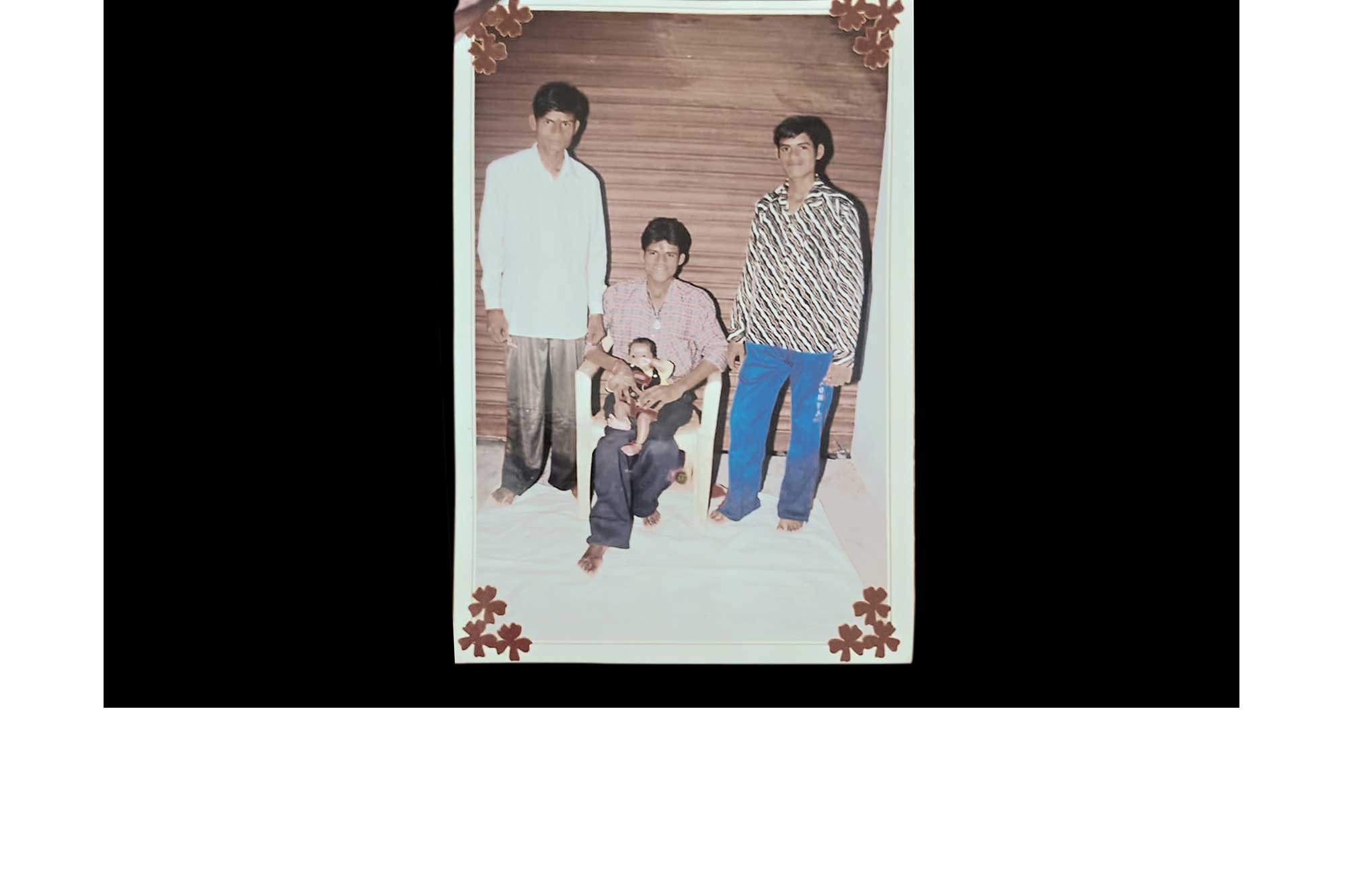
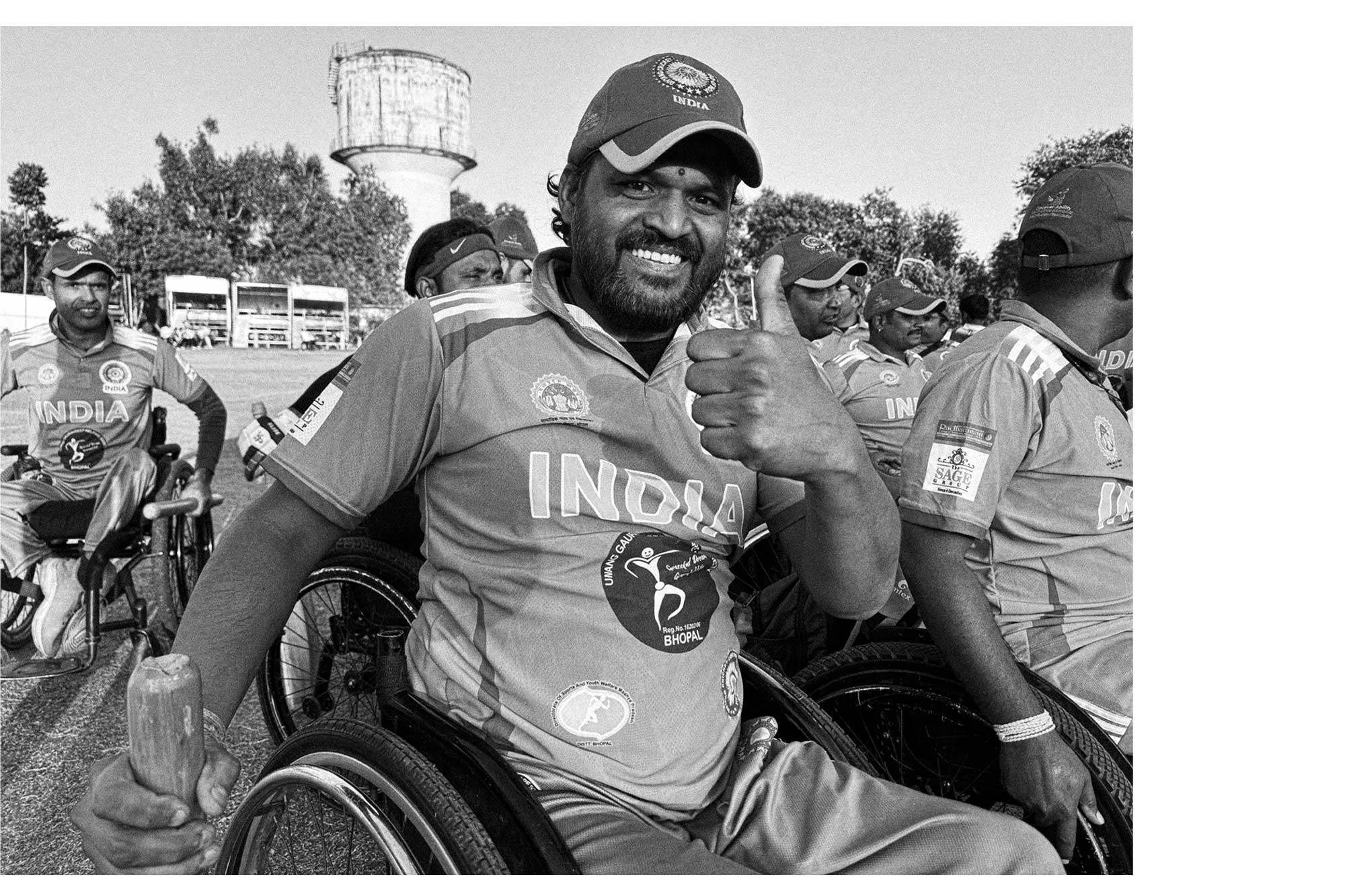
At the centre of the work is Shailendra Yadav, a 40-year-old polio-affected wheelchair cricketer from Bhopal who has represented his region, state, and country at various levels. Cricket in India functions not merely as a sport but as an economic engine and cultural hierarchy—one that converts physical ability into celebrity, capital, and social mobility. Shailendra’s presence within this system exposes its exclusions. Despite international participation, his livelihood remains fragile, revealing how merit and recognition fracture when disability intersects with class, access, and institutional neglect.
The series expands beyond individual portraiture to address broader socio-economic structures. It asks what happens to lives shaped by a disease once public health attention shifts elsewhere. For many polio survivors, mobility impairment is compounded by limited employment opportunities, inadequate infrastructure, and inconsistent social security. The photographs, therefore, operate at two scales simultaneously: the personal and the systemic. Shailendra is not positioned as an exception or an inspirational anomaly, but as a representative figure within a larger, largely invisible demographic.
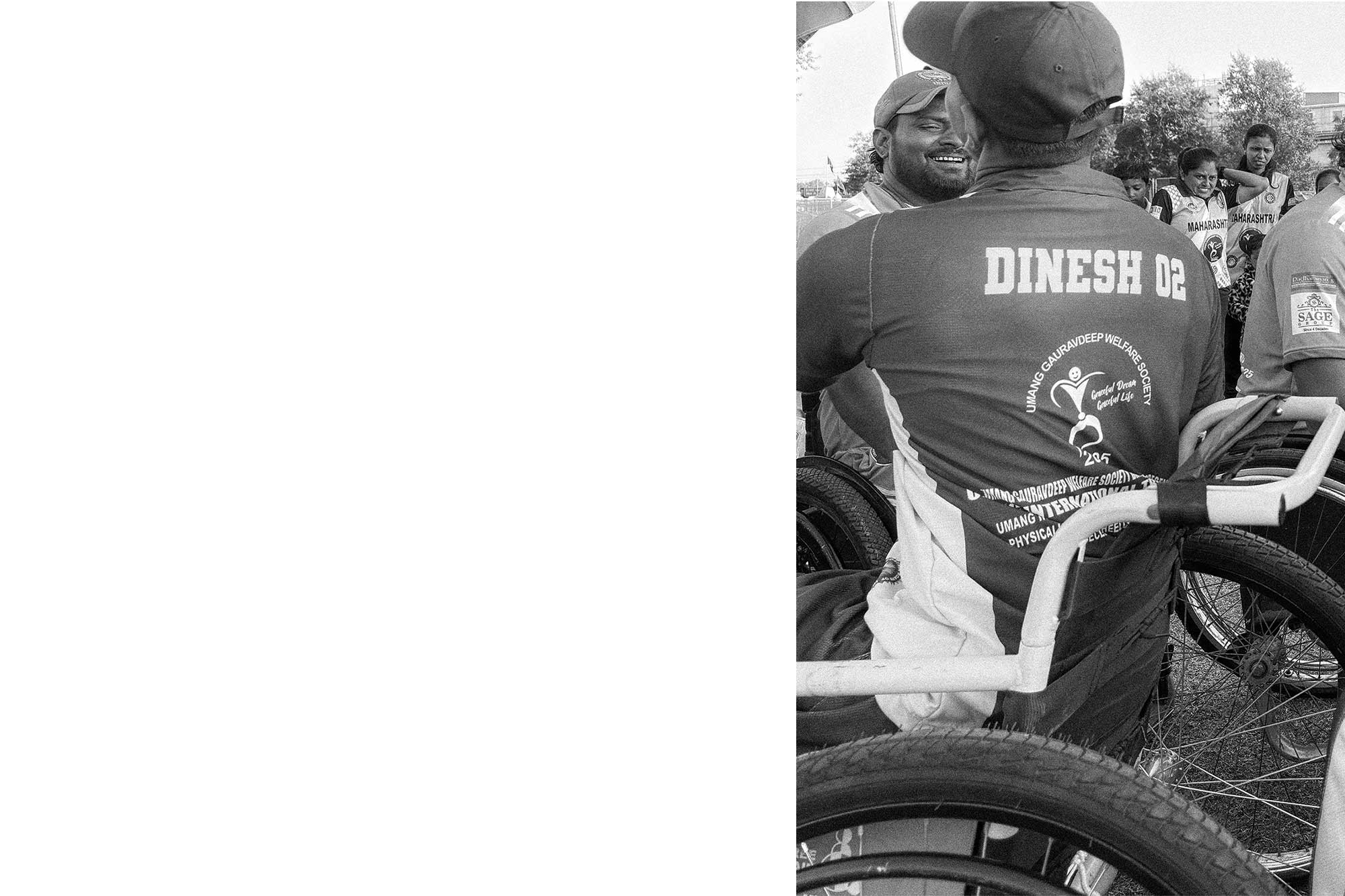
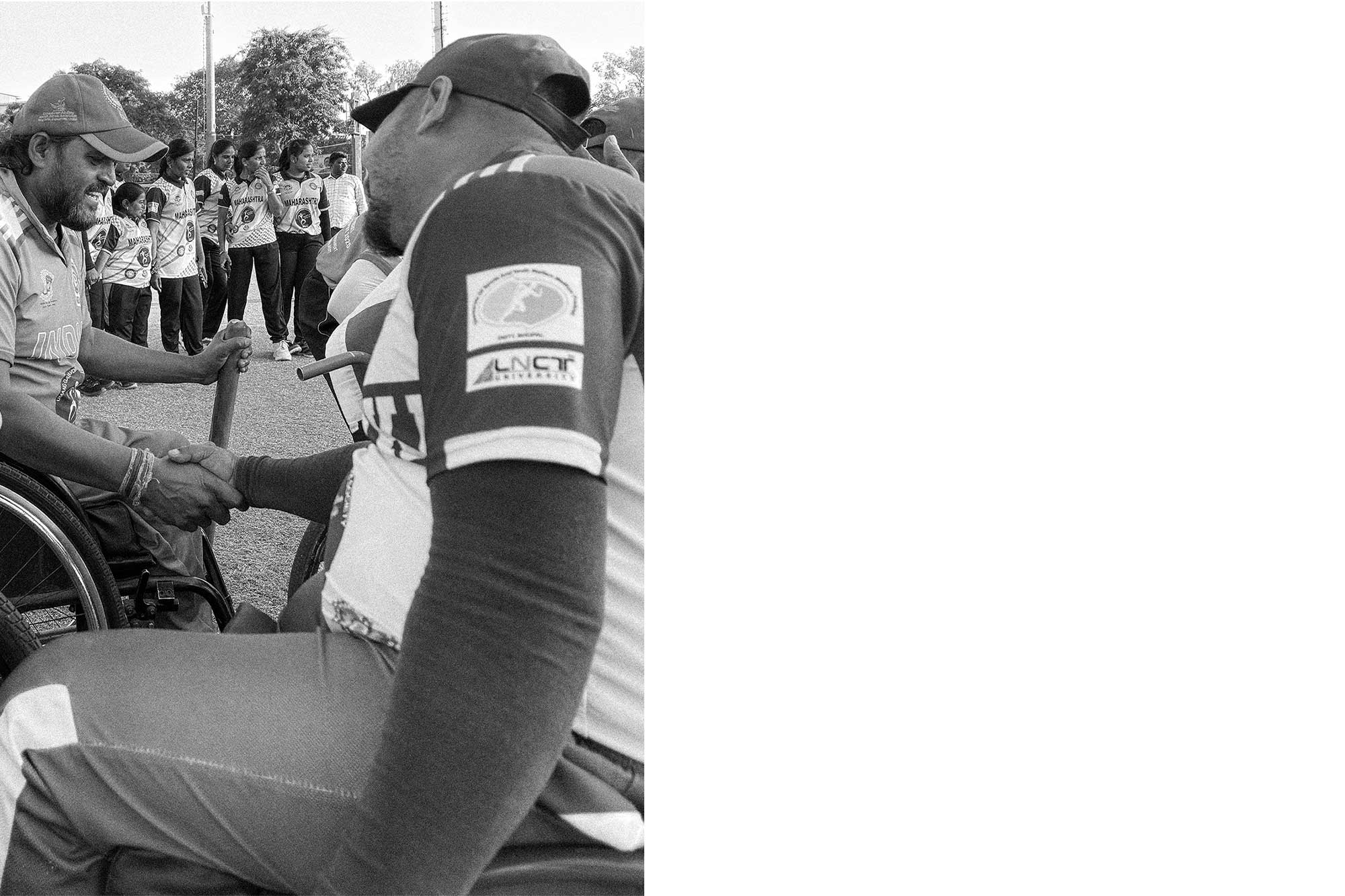
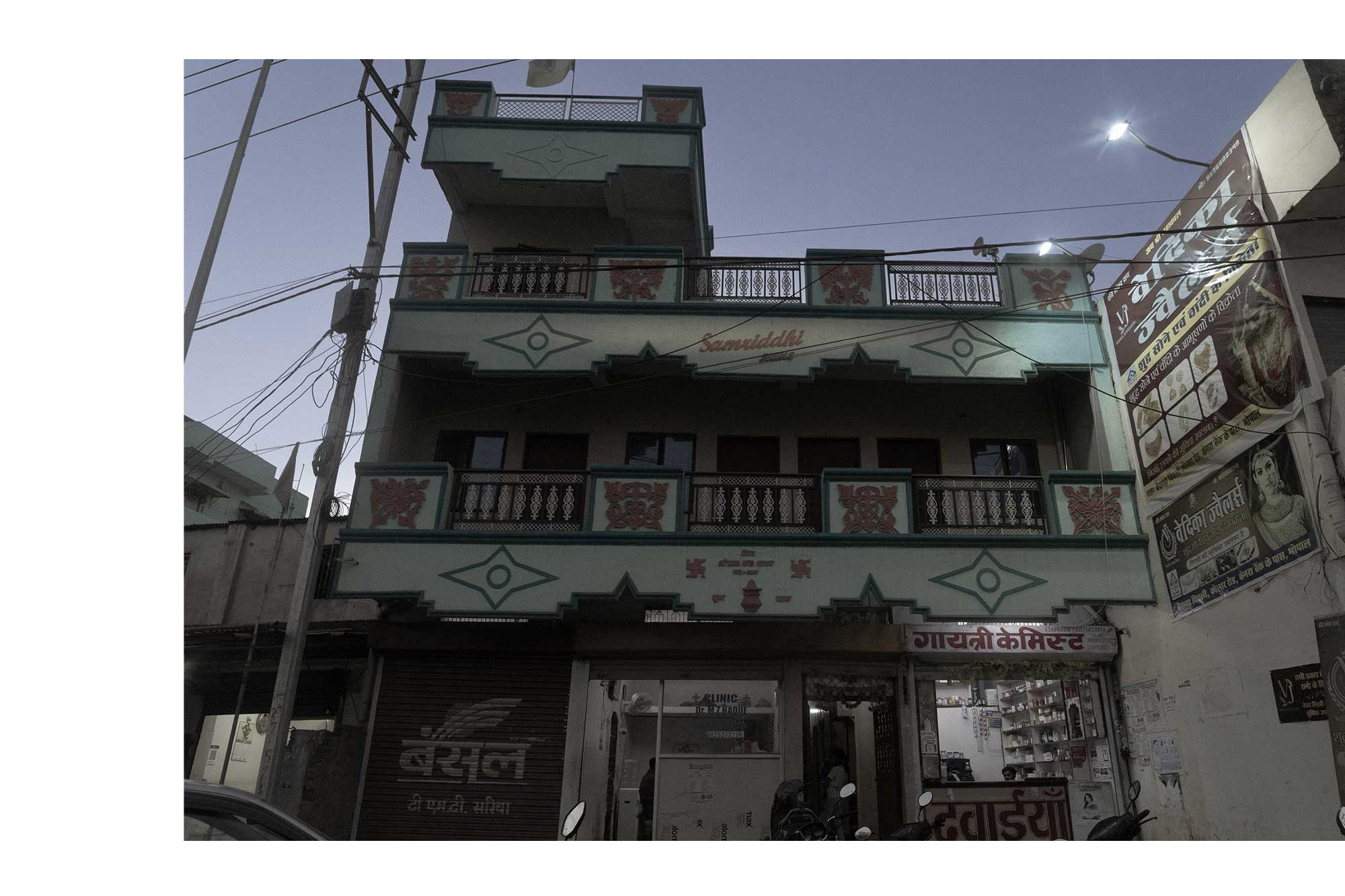
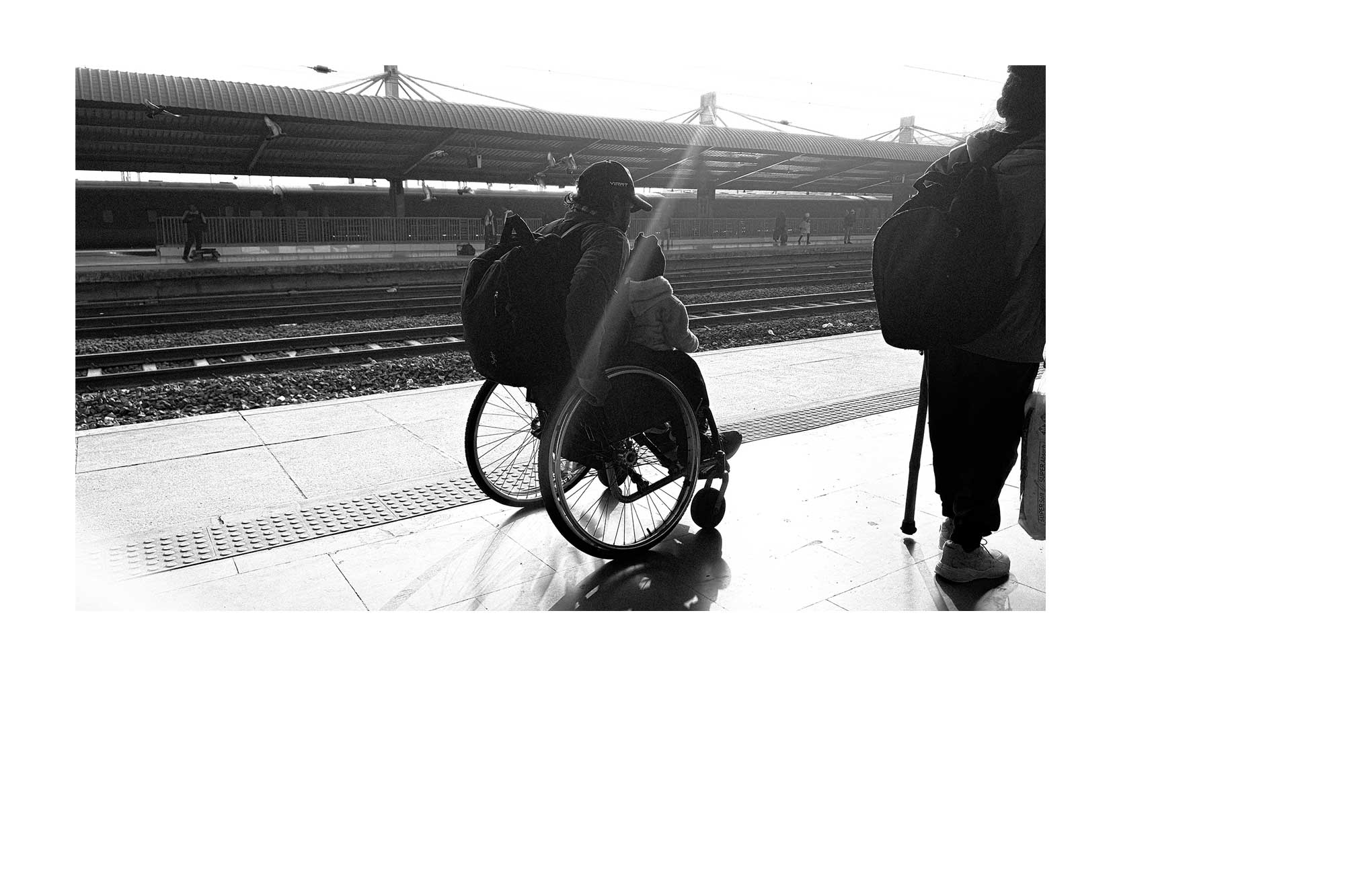
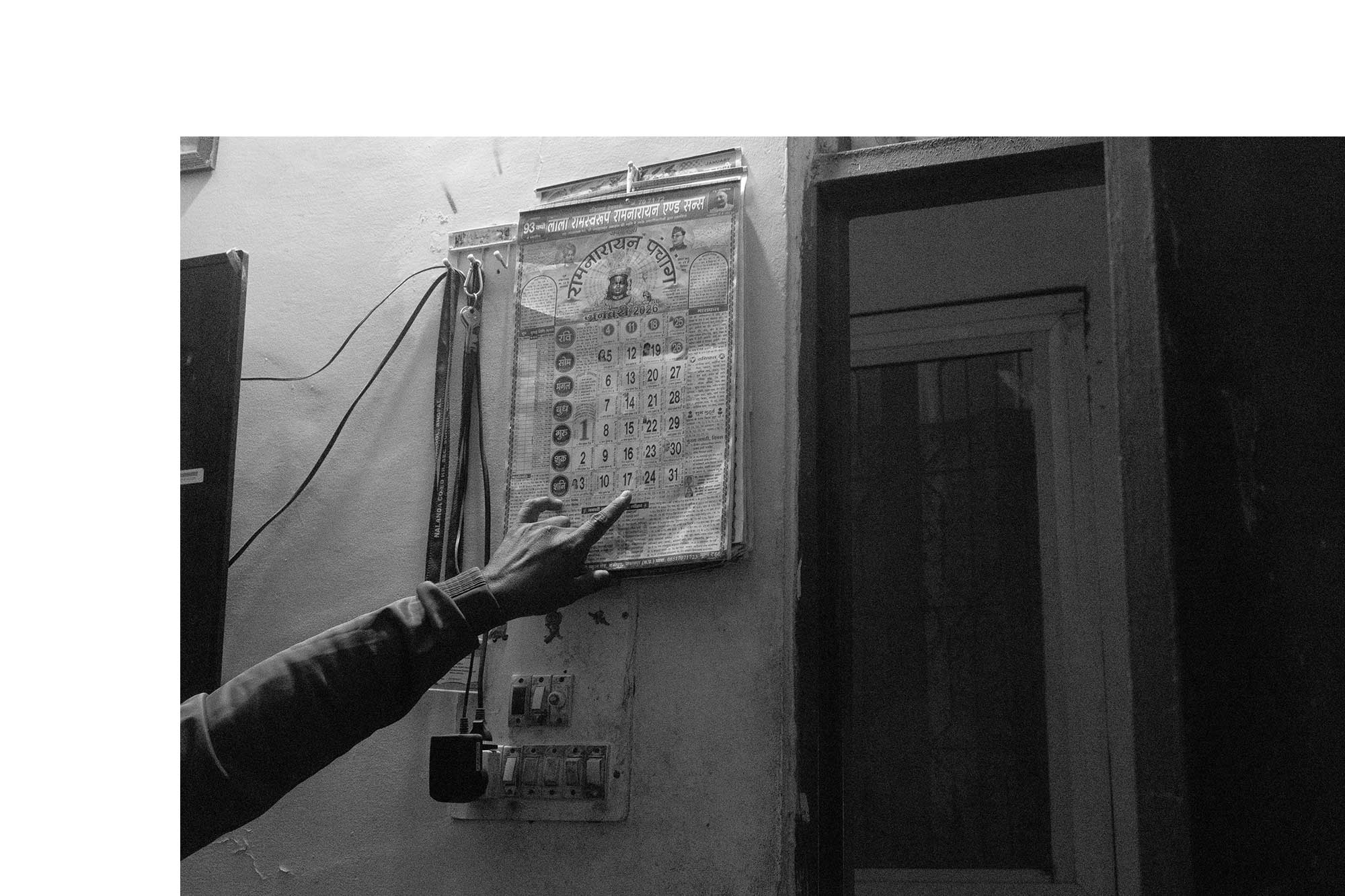
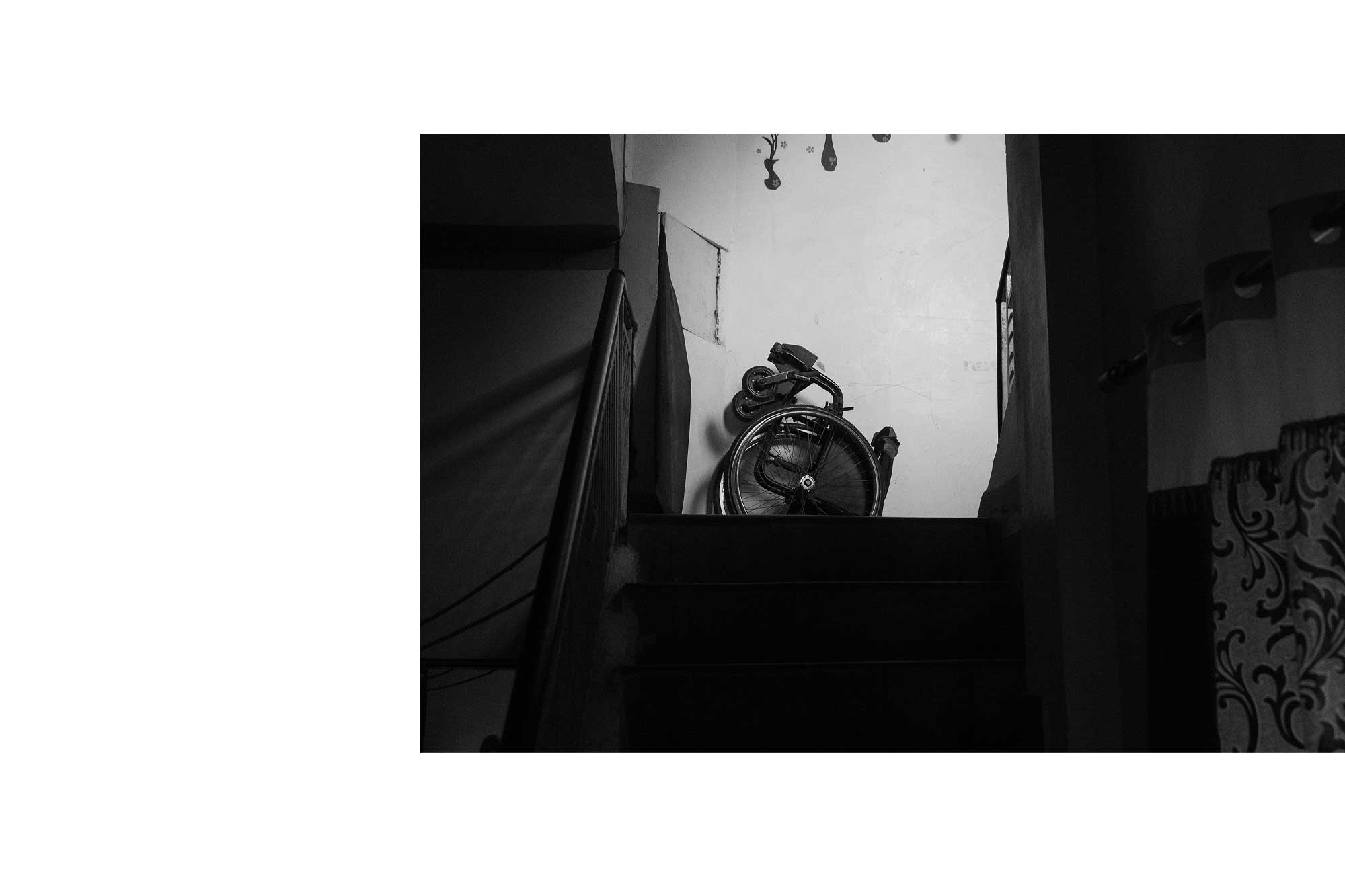
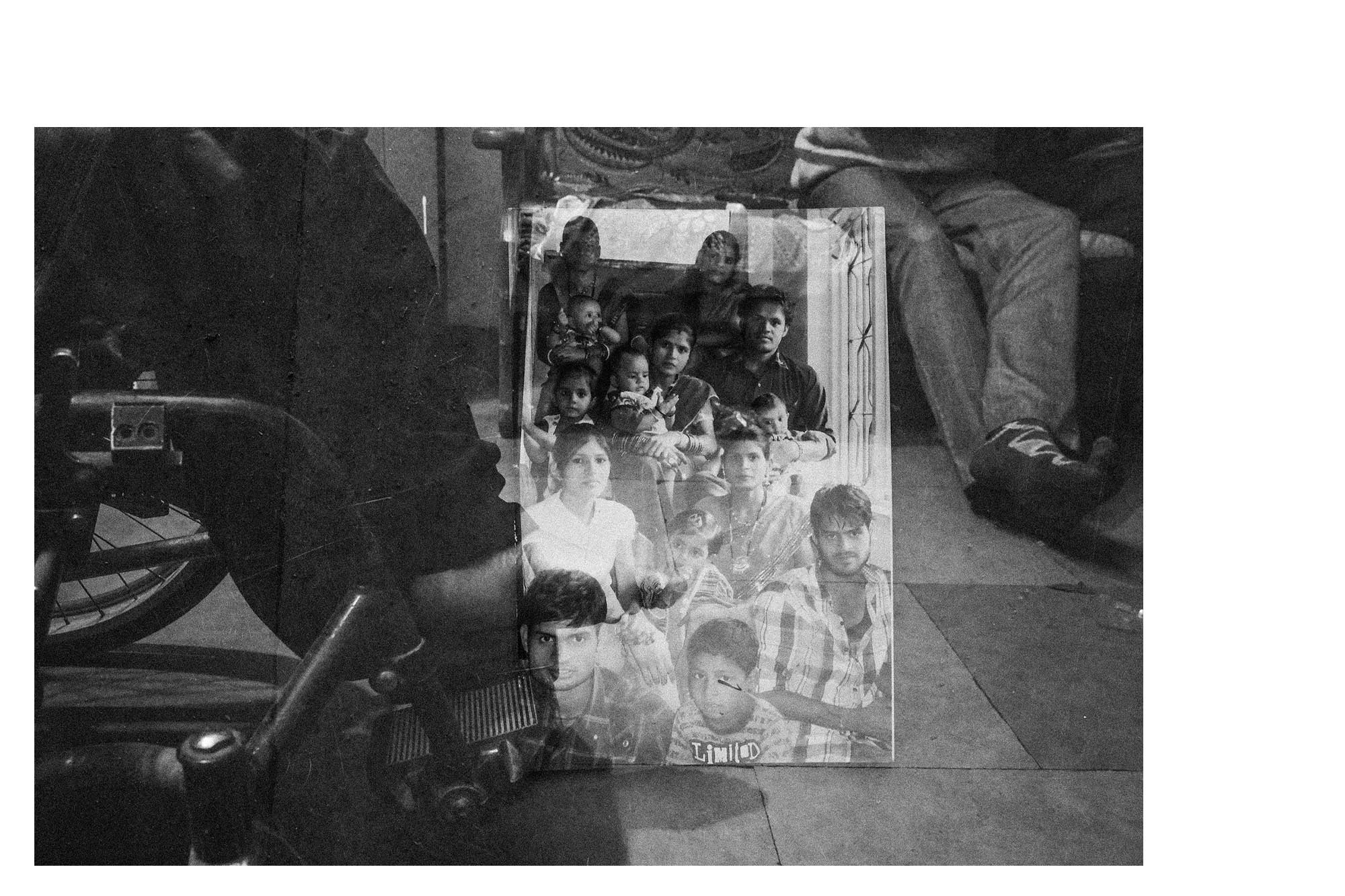
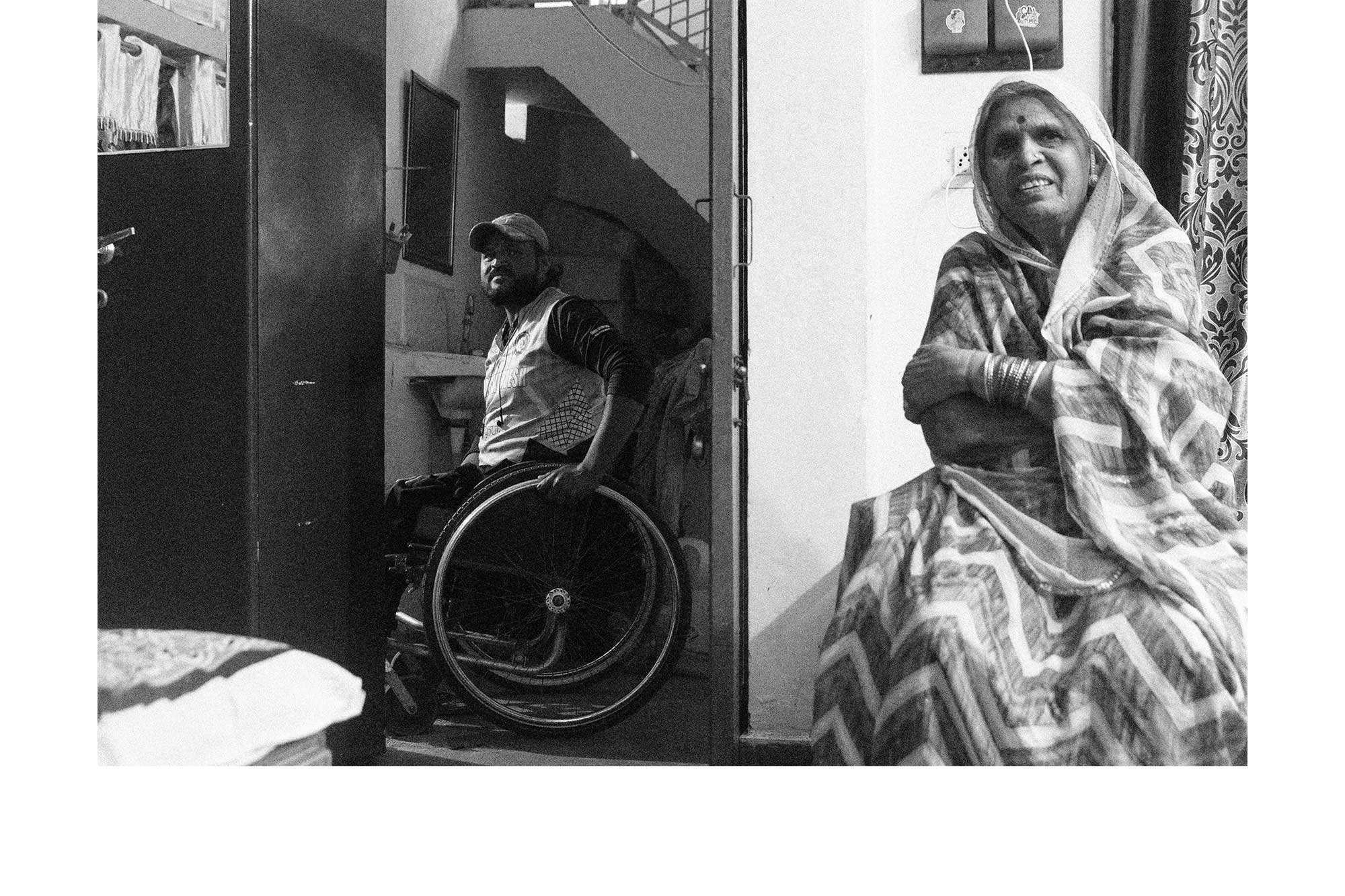
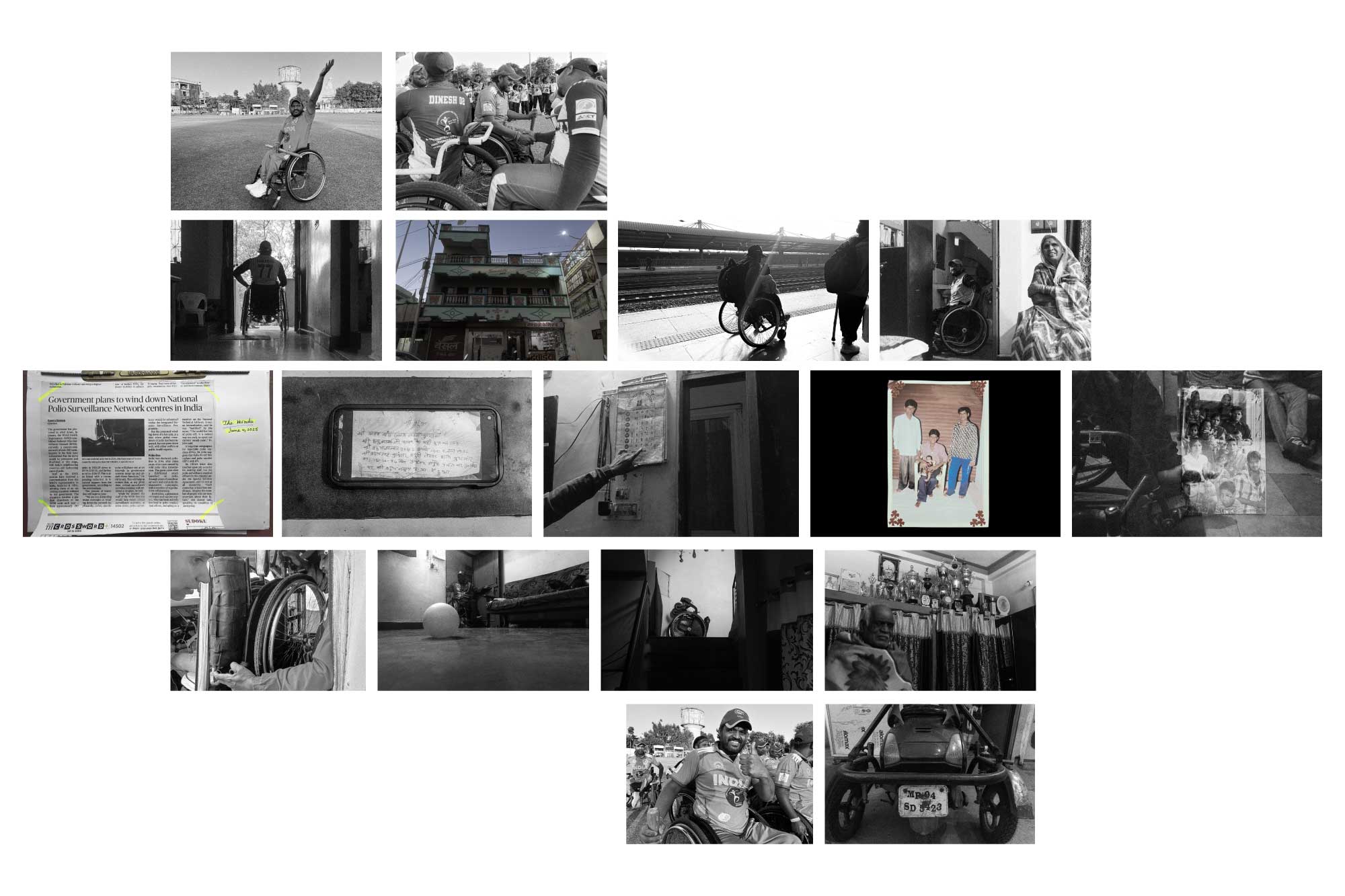
Visually, the work employs black-and-white imagery with pronounced grain, resisting the glossy visual language often associated with sports and success. Grain becomes a metaphor for economic precarity and social friction—suggesting instability, erosion, and endurance. The absence of colour strips the images of spectacle, redirecting attention toward form, labour, and presence. The series moves fluidly between subjective, fine-art compositions and quieter documentary frames, reflecting the oscillation between inner resolve and external constraint.
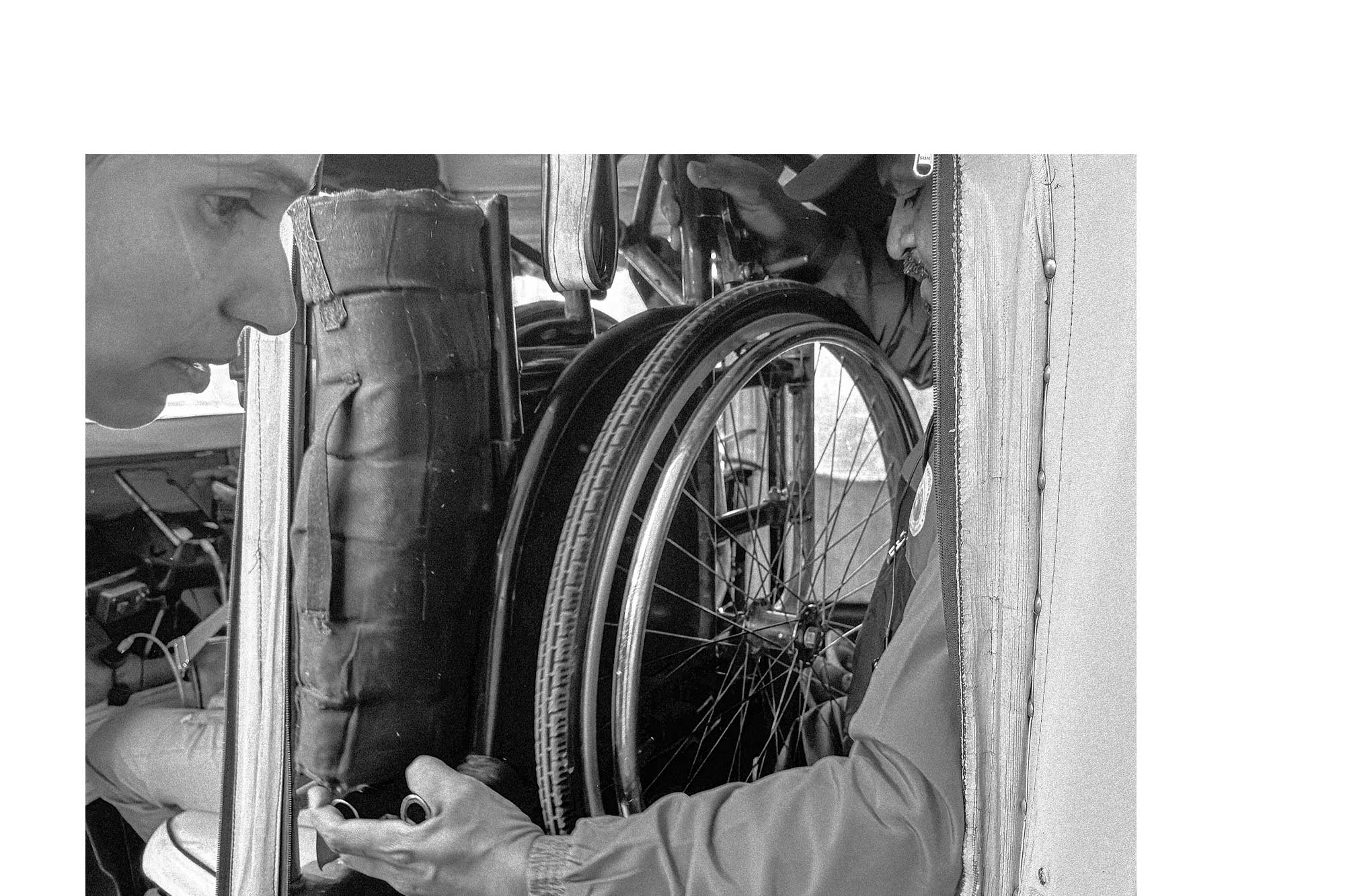
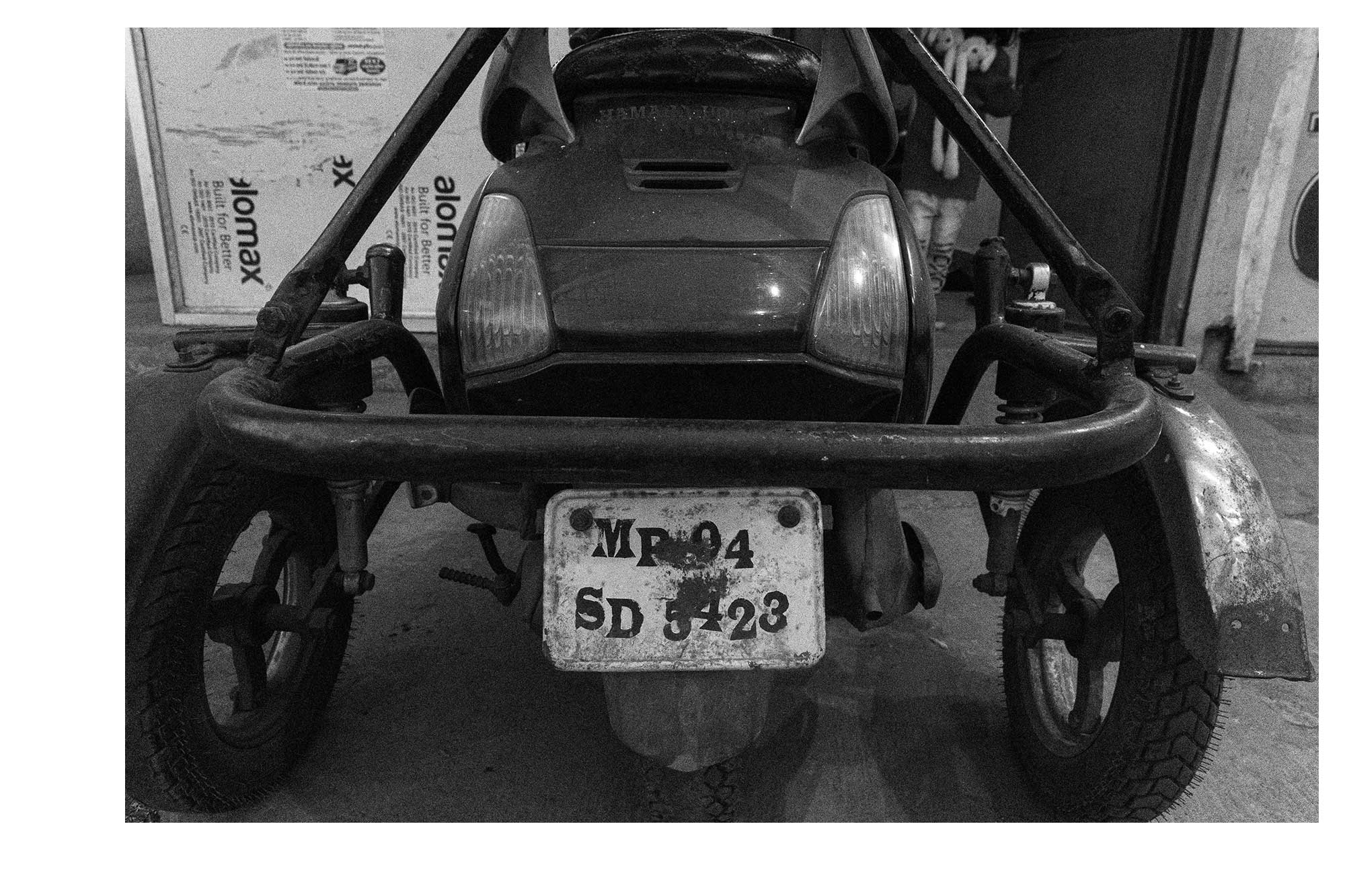
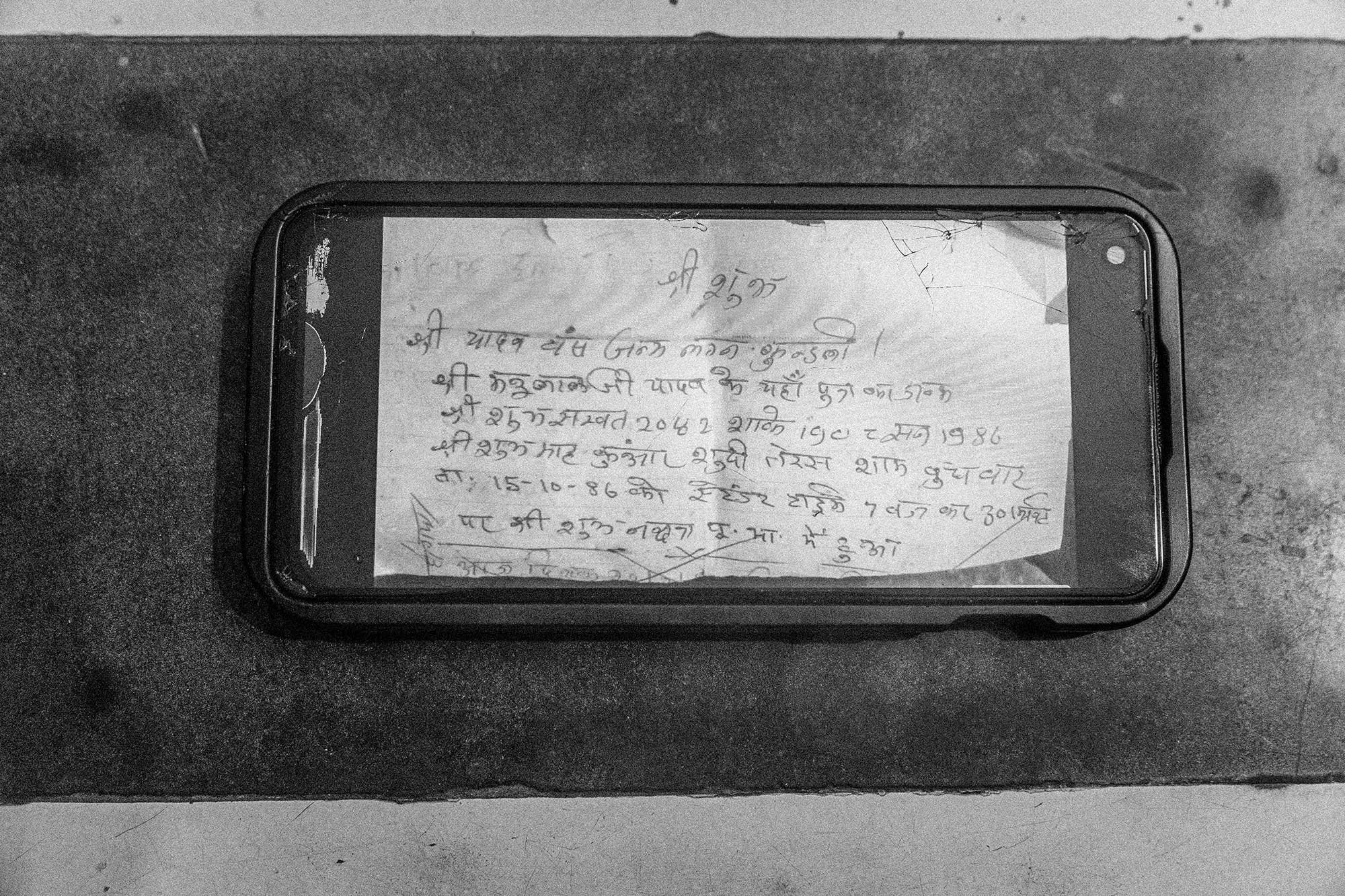
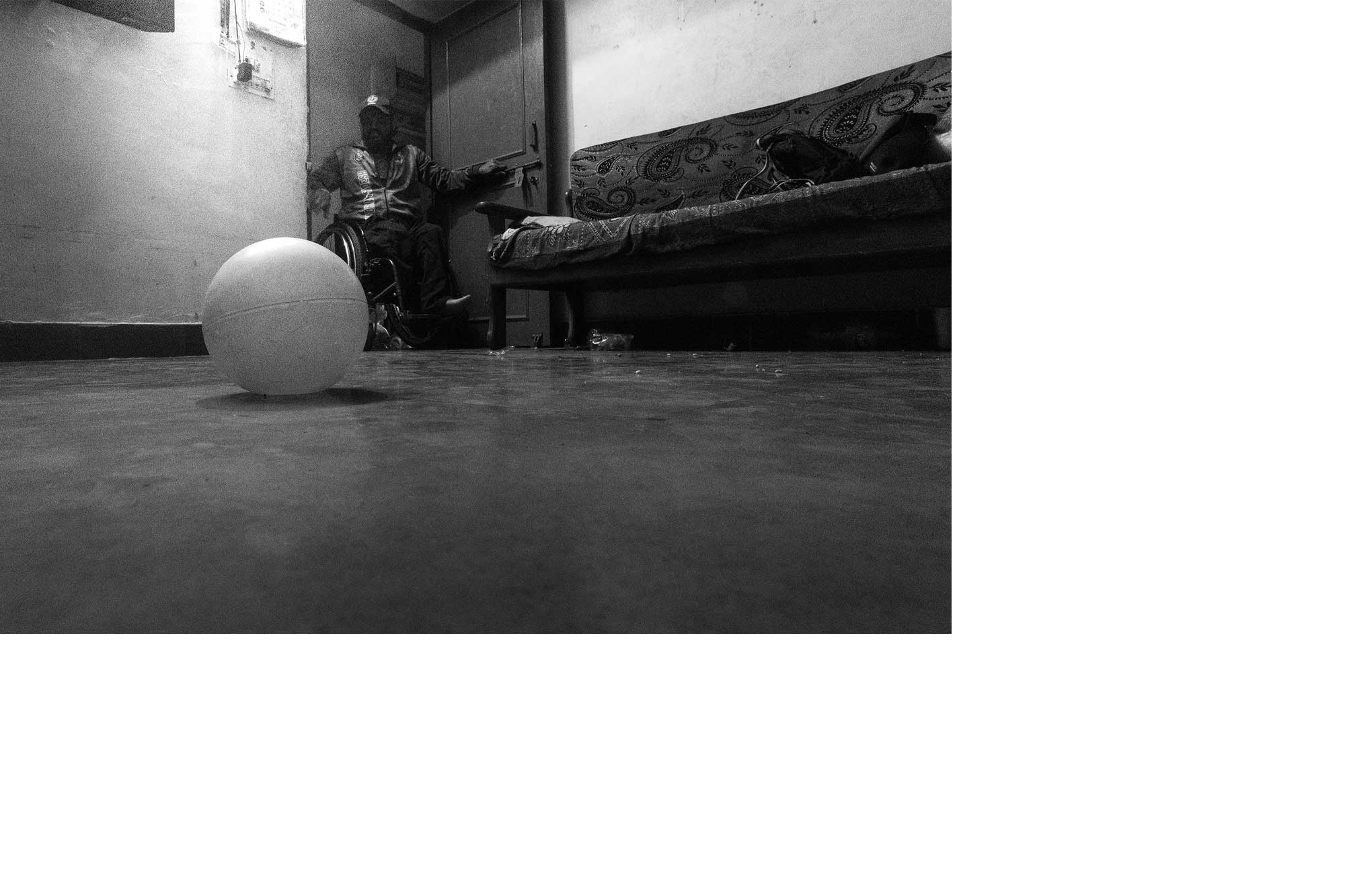
Moments of play are deliberately underplayed. Instead, the photographs dwell on preparation, waiting, travel, domestic spaces, and recovery—sites where the economic reality of sport without capital becomes visible. The wheelchair appears not as a symbol but as an everyday apparatus, embedded in routine. By normalising its presence, the work challenges dominant visual tropes that either romanticise disability or reduce it to pity.
Conceptually, the series critiques the idea of “inclusion” as a rhetorical gesture rather than a material condition. It interrogates how national pride is selectively distributed—how certain bodies are celebrated as symbols of progress, while others are rendered administratively complete and socially disposable. The eradication of polio marks a biomedical success, but it does not guarantee social repair. The photographs insist on this gap.
The economic silence surrounding Shailendra’s career becomes a central theme. What does international representation mean in the absence of sponsorship, healthcare security, or long-term support? Where does dignity reside when achievement does not translate into sustainability? These questions extend beyond sport, touching upon broader labour inequities faced by persons with disabilities in India and across the Global South.
By situating one life within a wider social and economic context, the series resists closure. There is no redemptive arc, no final triumph. Instead, the work remains suspended in the present—asserting that history’s victories are incomplete without structural accountability. After the Applause asks viewers to reconsider progress not as an announcement, but as an ongoing responsibility—one that must be measured in lived conditions, economic justice, and sustained visibility long after the disease itself has been declared eradicated.
(Ongoing)