The Soulful Lens: Why Sharpness Takes a Backseat in Documentary & Commercial Photography
January 8, 2016
The Unseen Battle: Safeguarding Your Vision in Documentary and Commercial Photography
January 6, 2017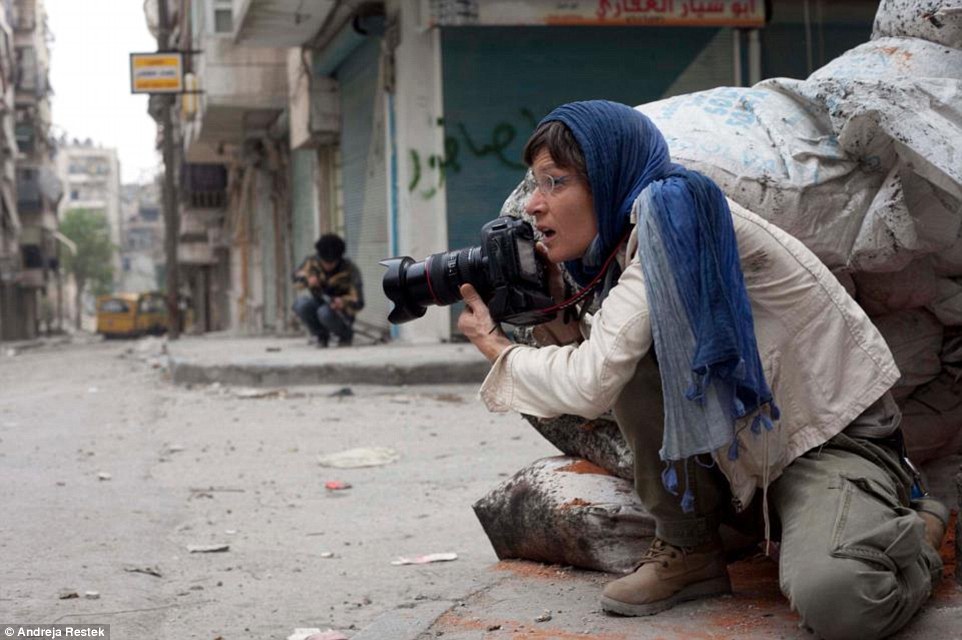
Breaking Barriers: The Unseen Strength of Women in Documentary & Conflict Photography
As a documentary and commercial photographer, I believe in the power of a lens to tell stories, to reveal truths, and to challenge perceptions. Nowhere is this more powerfully evident than in the work of extraordinary women who brave the world's most dangerous frontiers, capturing narratives that often elude their male counterparts.
Imagine sprinting for your life as bullets whiz past in Afghanistan, relying on covering fire from soldiers to survive an ambush. This was the reality for Alison Baskerville, not a soldier, but a respected war photographer and former RAF sergeant. Her experience on the frontline, like that of a growing number of female photographers, highlights a profound shift in visual storytelling: women are increasingly putting themselves in harm's way to capture unique perspectives.
"From the streets of Paris to the outposts of Iraq, women are now fighting alongside men and now photographing alongside them also," Baskerville, 41, recently shared. "Times are changing, and some of the women I have seen in this industry are brave and confident. They put themselves in danger and challenge the stereotype of women and war."
Baskerville recounted a terrifying ambush in Helmand: "I just remember everyone running. We were in open ground and had been ambushed. There was nowhere to take cover and the infantry had to lay down covering fire so we could escape. Adrenalin took over, and it was the fastest 500 metres I’ve done in body armour." Her military background, she admits, lent her an initial layer of credibility in what is often perceived as a man's world—a perception she fervently wishes to change.
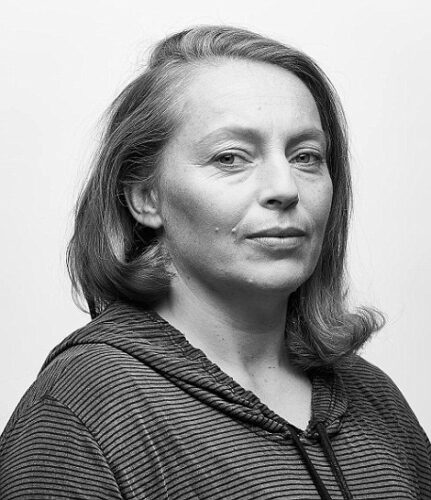
British photojournalist Alison Baskerville
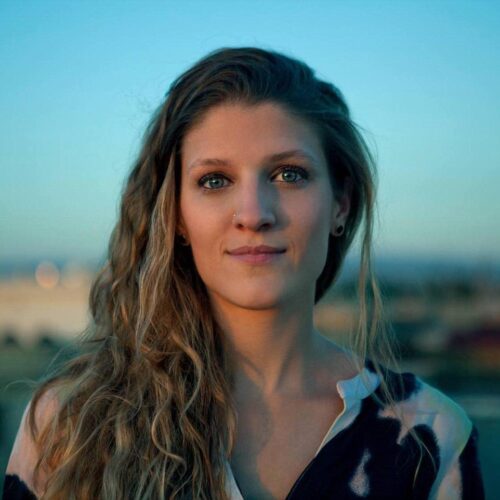
Freelance Photojournalist Annabell Van den Berghe
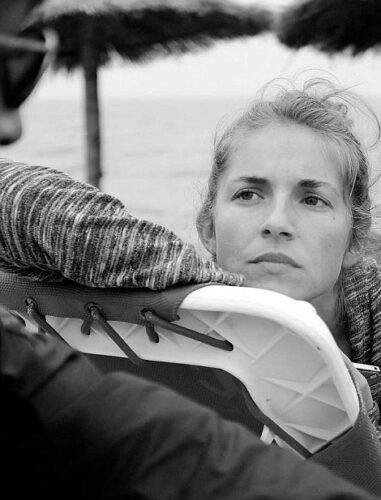
French photojournalist Capucine Granier Deferre
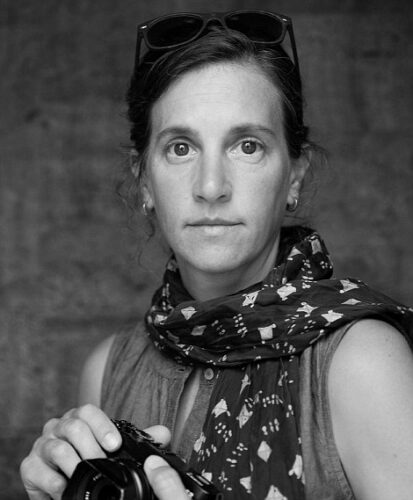
American photojournalist Jodi Hilton
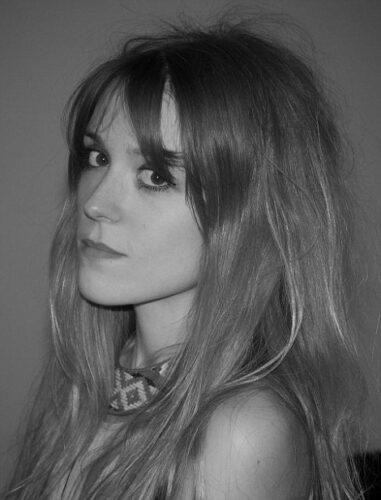
French photojournalist Laurece Geai
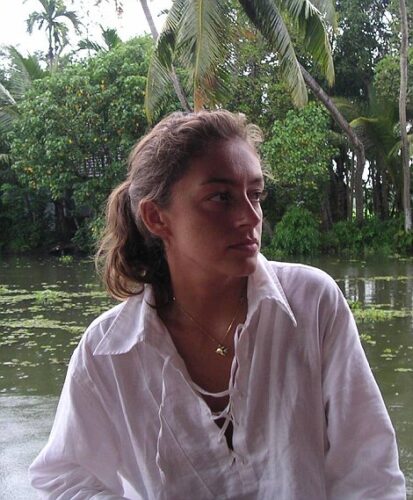
French-Italian photographer Matilde Gattoni
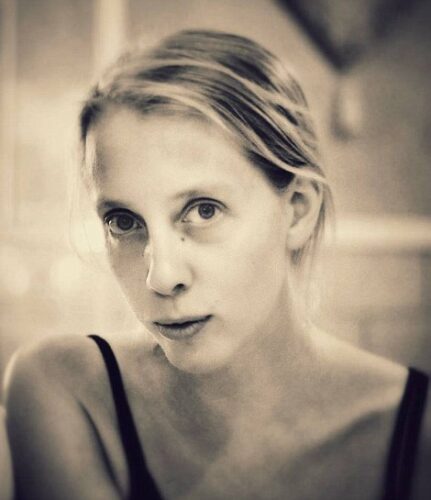
American photojournalist Shelly Kittleson
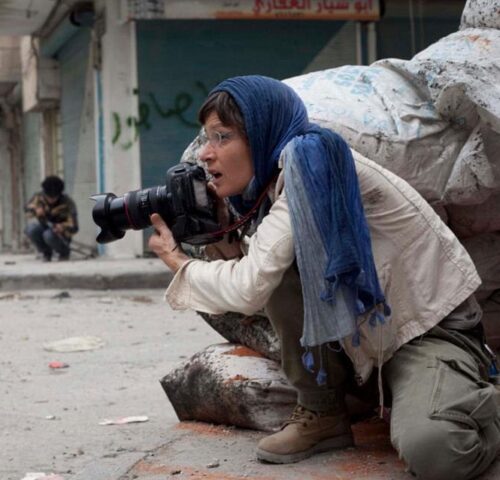
Italian photojournalist Andreja Restek
The Unseen Advantage: Intimate Access & Empathy
Next month, a museum in Turin, Italy, will celebrate this very shift, with an exhibition honouring female war photographers, featuring the powerful works of 14 lens-wielding women, including Baskerville.
"Being an excellent photographer should have nothing to do with your gender," Baskerville asserts. "It should be about capability and the images you produce." Indeed, the final image itself reveals no gender, only the story it holds.
Yet, other featured photojournalists acknowledge that being female can offer distinct advantages in the field, alongside undeniable challenges. Diana Zeyneb Alhindawi, a 37-year-old Brooklyn-based photographer of Romanian-Iraqi heritage, has faced immense dangers—physical attacks, robbery at knifepoint, accusations of being a spy. Despite these perils, she firmly believes her gender has often made her a more effective photographer.
"Women get intimate access easier than men do," Alhindawi explains. "We’re less of a threat and can better convince people to let their guard down around us. I think people relax easier around a female; they say ‘no’ less often if the photographer is a female, and they forget about our presence quicker, which allows us to get candid shots faster." She adds, with a wry observation, "We can push boundaries and bend rules a bit more than men can before we’re reprimanded. And even then, because they don’t take me as seriously as they would a male photographer, we’re not kicked out or heavily reprimanded."
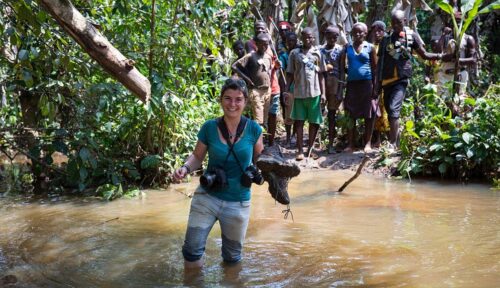
Camille Lepage, a French photojournalist who was killed during the conflict in the Central African Republic in 2014
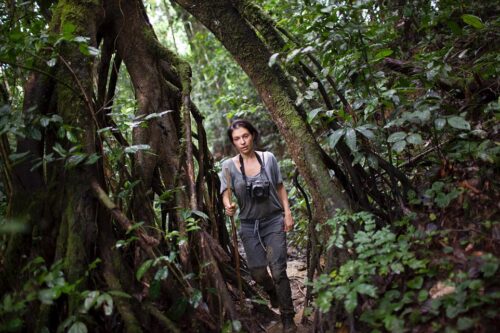
Brooklyn based photographer Diana Zeynab Alhindawi
Navigating Disrespect & Unseen Barriers
However, the path is not without its significant obstacles. Annabell Van den Berghe, a Brussels-based journalist fluent in Arabic who has worked extensively in Iraq, highlights the insidious problem of unwanted male attention. "Unfortunately, as a woman, male colleagues – whether fixers, translators or other journalists – do not always treat you with respect," she shares. "Finding myself in a war zone with somebody who acts dishonourably and crosses the professional line is the dodgiest thing that has ever happened to me." She notes a deeply troubling power dynamic: "Often these men see me as their possession, and they believe that they have the right to decide what I do, with who and when – including dishonourable behaviour."
Van den Berghe also recounts frustrating professional barriers. While interviewing a jihadist from the Syrian Jabhat al-Nusra, she was barred from speaking to him directly, despite no language barrier. "I needed a translator to translate from woman to man," she recalls, a poignant illustration of the gendered obstacles still prevalent.
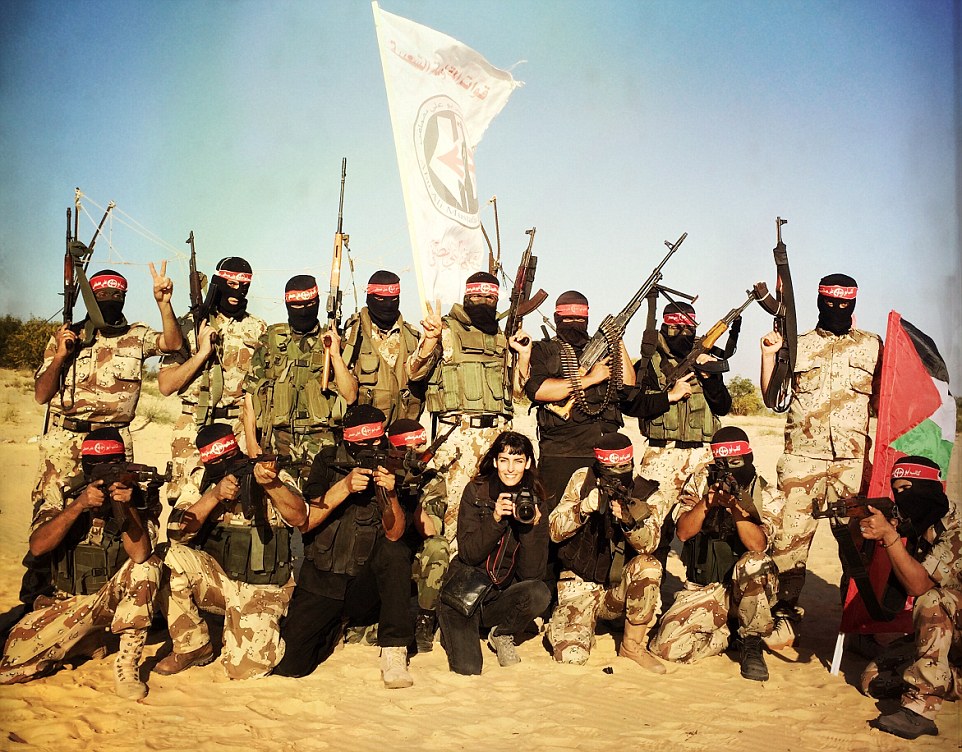
Palestinian freelance photojournalist Maysun
The Ultimate Price: Honoring Those Who Fell
The exhibition serves as a poignant reminder of the ultimate sacrifices made by some female war photographers. It is dedicated to the memory of Camille Lepage, tragically killed while photographing the conflict in the Central African Republic in 2014. Just 26, Lepage had spent 18 months documenting South Sudan before moving to CAR months before her death. Her final social media updates chronicled her journey with a Christian Anti-balaka militia to cover ongoing fighting. Her body was discovered by French peacekeeping troops in May 2014, and her death was officially described as "murder."
The bravery, resilience, and unique perspective that women bring to documentary and conflict photography are invaluable. Their stories, often captured under extreme duress, offer crucial insights and challenge us to look beyond simplistic narratives. As we continue to evolve in documentary and commercial photography, recognising and empowering these voices is not just a matter of equality, but of enriching the very fabric of our visual history.