
Breaking Barriers: The Unseen Strength of Women in Documentary & Conflict Photography
August 12, 2016
The Unfiltered Lens: Why Documentary Photography is Essential for Capturing Truth & Impact
October 6, 2022
The Unseen Battle: Safeguarding Your Vision in Documentary & Commercial Photography
In the boundless expanse of the digital world, the lines governing the use of creative work have blurred. For visual artists, particularly those of us in documentary and commercial photography, this often translates into the disheartening reality of our work being used without permission, credit, or compensation. Businesses, irrespective of their scale, frequently appropriate images and creative assets illegally, making it incredibly challenging for artists to even get noticed, let alone remunerated, for their original creations. The very platforms designed for sharing, like social media, complicate matters further; Facebook, for instance, often strips image metadata upon download, creating a significant hurdle for proving ownership and tracking unauthorised usage.

Ravi Dhingra
Facebook Post by Ravi Dhingra
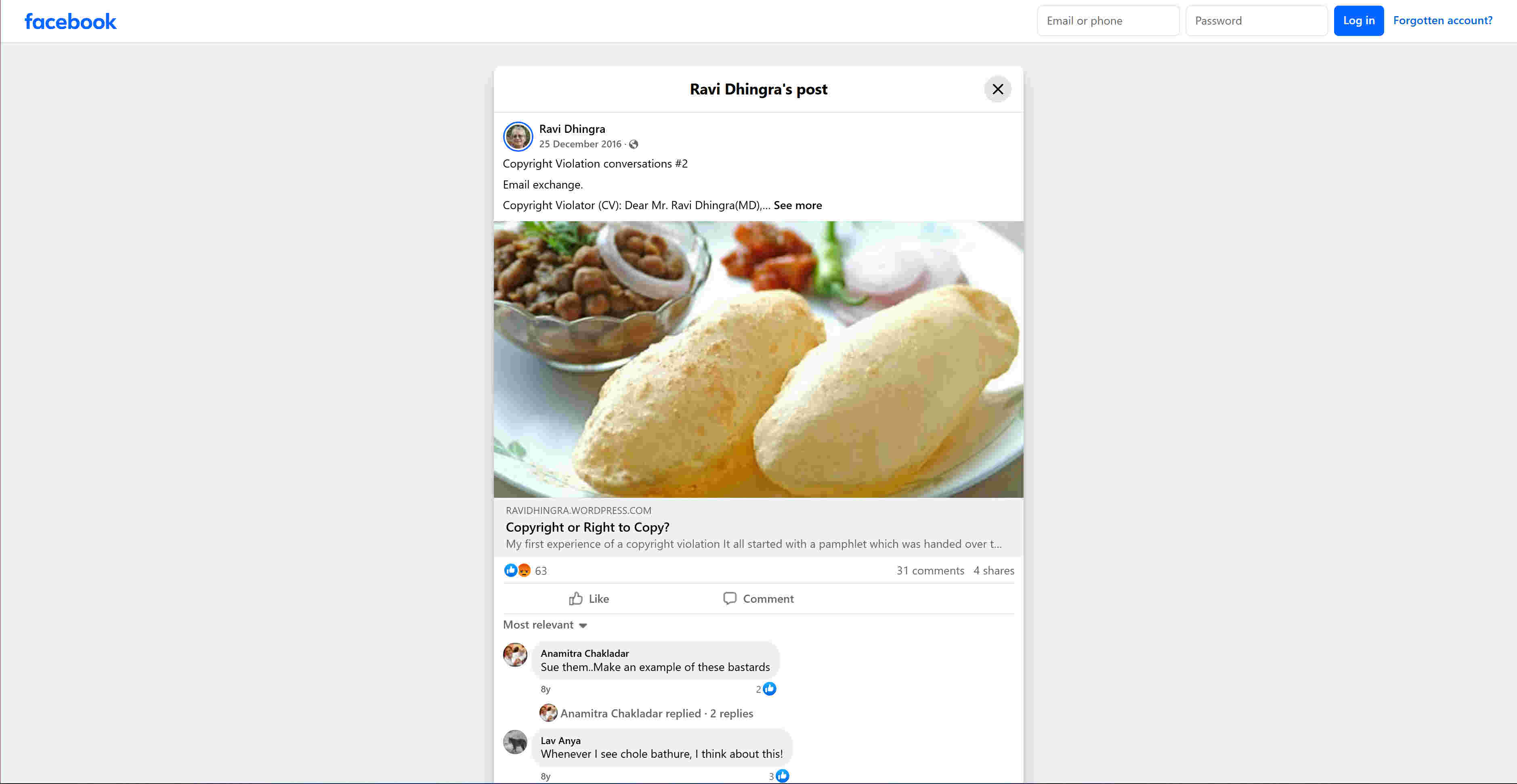
This pervasive issue was recently brought to the forefront by Ravi Dhingra, a New Delhi-based independent photographer and mentor, when he discovered his images being used by food stalls at Dilli Haat, a popular craft market in Delhi. What began as a dialogue soon escalated, leading Mr. Dhingra to publicly share instances of his work being exploited on his Facebook page.
In a detailed Facebook post on December 25th, he revealed the comprehensive note sent to the copyright violator. Later, on January 10th, he highlighted the audacity of the violator who questioned the very authenticity of his ownership, despite the images originating from his public Flickr account. This wasn't an isolated incident for Mr. Dhingra, much like it isn't for many of us. Previously, he raised concerns when one of India's largest-selling daily newspapers published his images without notification.
The debate around digital ethics and intellectual property rights must continue, leading to justified solutions that unequivocally favour the artists. Ravi Dhingra's expert advice, eloquently articulated in his blog post titled 'Copyright or Right to Copy?', offers a straightforward yet highly effective roadmap for photographers facing similar infringements.
He advises the following practical steps:
Steps to Address Copyright Violation:
Immediate Intimation: "Immediately intimate about the copyright violation at the mail ID mentioned on the website of the violator, mentioning that it is a criminal offence." This formal first step establishes your claim and intent.
Social Media Leverage: "Use social media to publicise and connect to the right person in the organisation (Facebook and Twitter work perfectly well). In all cases, I have been able to get the details of senior people in the organisation." Public pressure and direct communication can often cut through red tape.
Direct Senior Communication: "Write to these senior people informing them about the violation and seeking a solution to resolve the matter." This escalation targets decision-makers directly.
Negotiate Compensation: "Most of the time, the matter is resolved at this stage. The standard replies are: our employee did it, we normally pay Rs 500/ for the image but will pay Rs 1500/- as a special case. I don’t agree to these submissions and quote a reasonable amount (definitely not six figures) as compensation for the unauthorised use." Be firm but fair in your demand.
Threaten Criminal Complaint: "If this does not work, I threaten them with filing a criminal complaint with the IPR Cell of Local Police. These companies have strong legal departments and serving legal notice does not affect them. It is a matter of filing another response in routine. But a threat of criminal complaint makes them think twice, as it is a non-bailable offence and if the complaint is proven to be genuine, the directors or senior employees will have to appear in court to seek bail and this is not easy money and time both will have to be spent. So their ‘strong’ legal department suggests a settlement." This is a powerful deterrent, as criminal proceedings can significantly disrupt a company's operations and reputation.
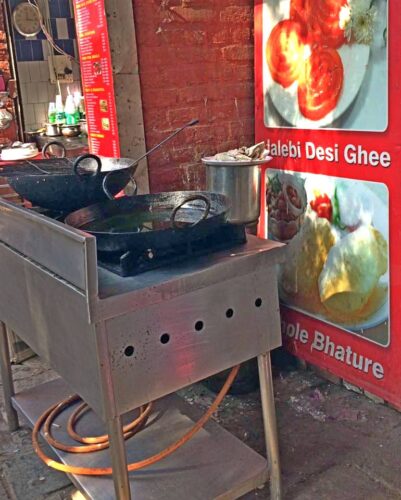
Photographs used without any permission
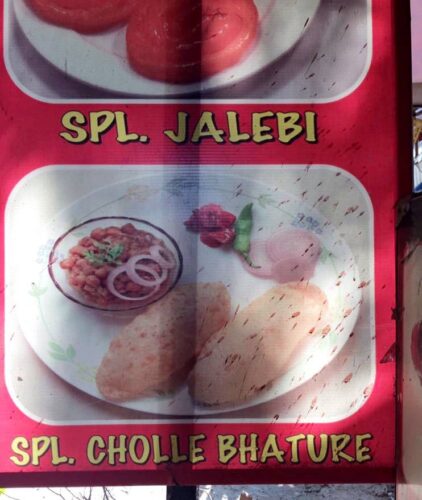
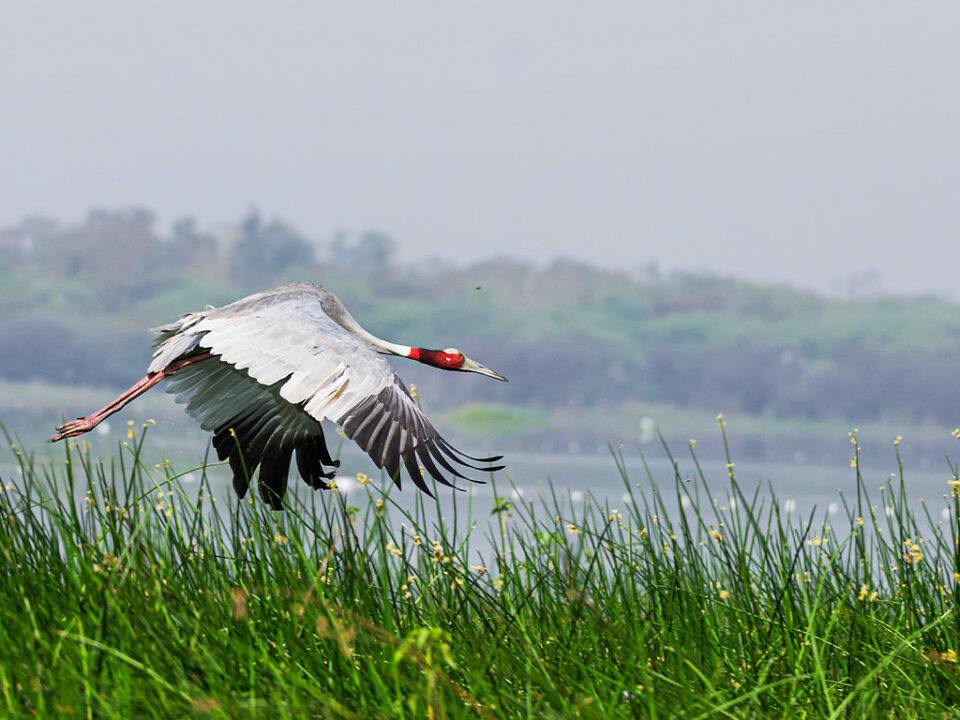
Another photograph by Ravi Dhingra
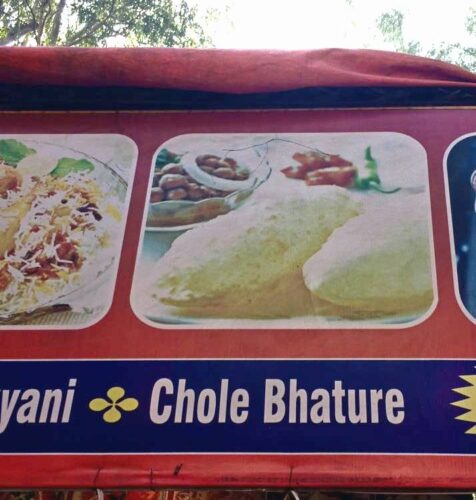
Photo: Ravi Dhingra
Crucial Considerations Before Taking Action
Proof of Ownership: "Ownership of the photograph: you should be in a position to prove that the photograph was taken by you. The RAW image, unedited JPEG if you don’t have RAW, EXIF Data, Metadata (in some cameras you can feed the copyright information, which shows in the metadata)." Your original files are your strongest evidence.
Exclusivity of the Photograph: "Exclusivity of the photograph: there is a possibility that the photograph was taken during a photo walk or any other place where many other photographers were present. They might have similar frames, not exact. It will be difficult to prove ownership, not impossible, but will need more effort." While challenging, it's still possible to prove unique ownership even with similar frames.
Reasonable Compensation: "Keep the compensation amount reasonable. An exorbitant amount (others will suggest) will delay the whole process of settlement. But once you decide on a figure, which you feel is reasonable, stick to it. No further negotiations." A realistic demand facilitates a quicker resolution.
Patience is Key: "Patience is the key here. The replies to your emails may not be prompt. There is a possibility of no reply also, but once the violation has been brought to the decision-makers, some action will be taken. A few reminders will keep the issue alive.” The process can be slow, but persistence often yields results.
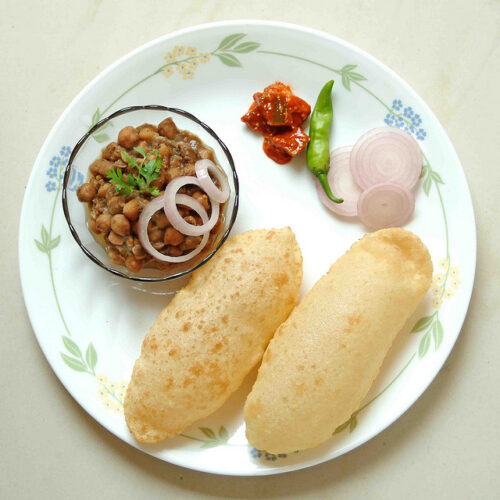
Photo: Ravi Dhingra