
The Unfiltered Lens: Why Documentary Photography is Essential for Capturing Truth & Impact
October 6, 2022
Beyond the Myth: Cultivating Your Unique Voice in Documentary & Commercial Photography
July 6, 2025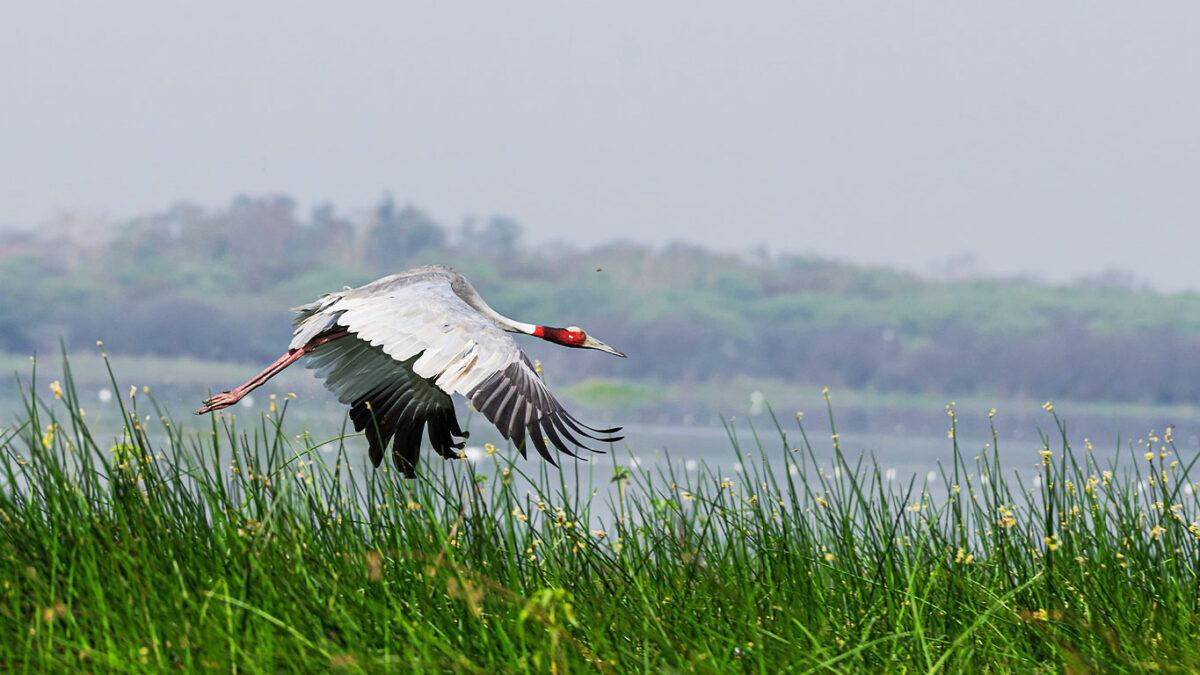
This article isn’t just about the beautiful visuals like the featured image by Kshitij Patle—though stunning bird photography is a goal for many. Instead, inspired by guidelines from acclaimed publications like Audubon, we explore how to responsibly photograph and video birds, with a special focus on our local ecosystem in and around Bhopal.
Before capturing the perfect shot comes an even more important priority:
- Respecting birds and their habitats. In the realm of bird photography, ethics must come first.
- Whether you’re an enthusiast starting in wildlife photography or a seasoned professional, practising responsible photography ensures that our creative pursuits do not disrupt nature.
Bird Photography at Bhopal: A Community Practice
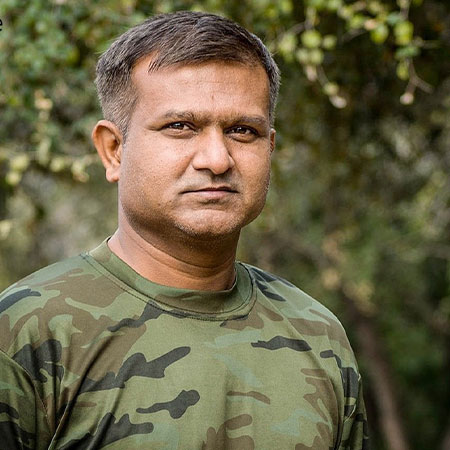
Yogesh More
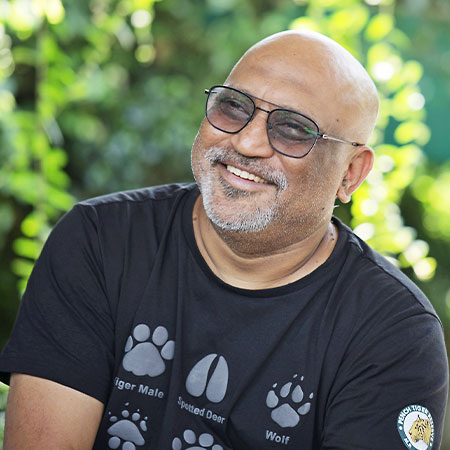
Rajnish Khare
Last week, a bird photography tour was organised at a wetland near Bhopal. The Bhopal Photography Club, led by noted bird photographer Yogesh More, came together to capture the beauty and diversity of our avian visitors. More is a frequent contributor to eBird, the world’s largest biodiversity science initiative, and also plays a key role in documenting birds on platforms like Birds of Bhopal and Indian Birds.
Entrepreneur and Bhopal Camera Club convenor Rajnish Khare led the bird walk, sharing his field experience and best practices in photography. His emphasis: let’s photograph birds, but let’s do it right.
Responsible Bird Photography: Best Practices
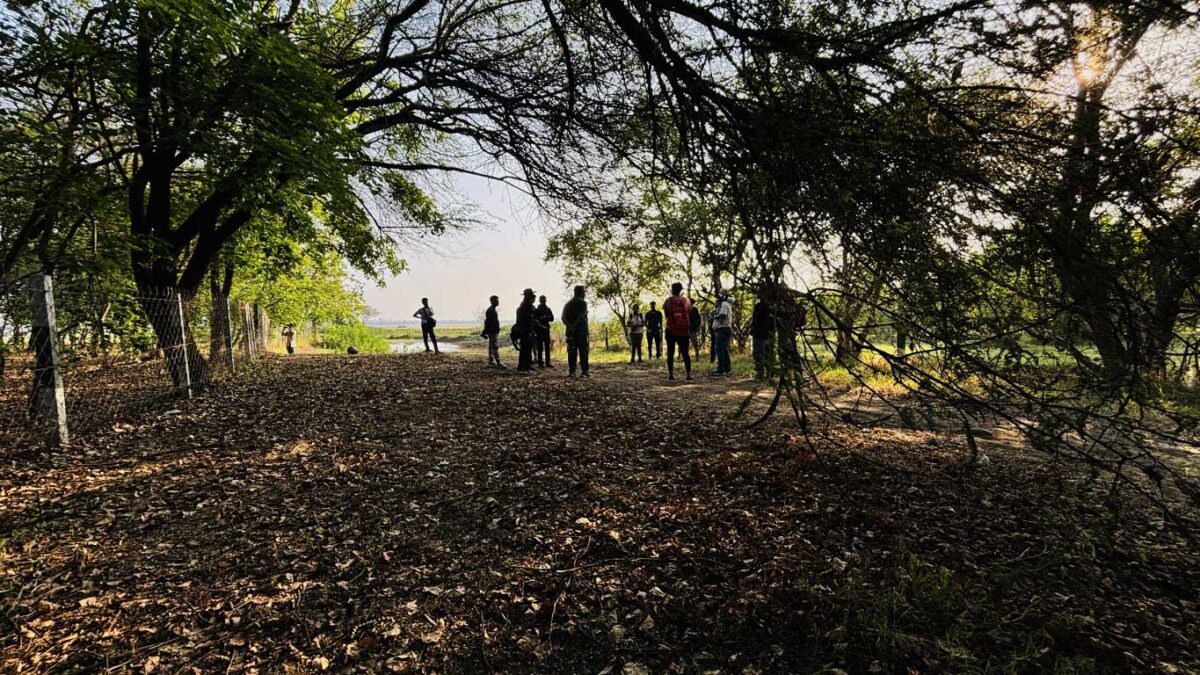
A Group of Birding enthusiasts discussing before a bird watch at Bhopal
Here’s a summary of our post-tour discussion—principles every wildlife photographer and birder should follow:
- 1. Prioritize Bird Welfare Over the Shot: The first rule in bird photography is simple: birds come first. Their safety, comfort, and behaviour should never be compromised for a photo or video.
- 2. Avoid Causing Stress: Use long telephoto lenses to keep a safe distance. Blinds can allow you to observe without disturbing the birds. If a bird changes posture, freezes, or flies off, you’re too close.
- 3. Use Flash Sparingly: Flash can disorient birds, especially nocturnal species like owls and nightjars. Supplement natural light only when necessary.
- 4. Follow Legal and Ethical Guidelines: Know local laws around wildlife distances. In Madhya Pradesh and national parks, drone use for wildlife photography is often prohibited.
- 5. Protect Sensitive Species and Locations: For rare species like owls, remove GPS metadata from images before sharing. Sharing exact locations can lead to overcrowding and stress on the speciesem
- 6. Respect Nesting Birds: Avoid nests unless you’re at a safe distance with a lens above 500mm. Do not use wide-angle or macro lenses near nests. Do not remove vegetation around nests for a clearer view.
- 7. Keep Away from Roped-Off Areas: Beach-nesting birds and flightless chicks are especially vulnerable. A 25-yard distance is the minimum—parents leaving the nest can lead to chick mortality.
- 8. Avoid Playback of Bird Calls: Calling birds away from their nests puts eggs and chicks at risk from predators and exposure.
- 9. Respect Private Property: Always seek permission before entering private land. Observe birds from public spaces without trespassing.
- 10. Consider Others: Be aware of your presence in group settings. Avoid crowding birds, and ensure everyone has an opportunity to watch or photograph the bird without causing harm.
- 11. Be Honest in Presentation: When photographing in sanctuaries, rehabilitation centres, or zoos, make sure the institution is ethical and accredited. Always disclose the context of a captive bird to avoid misleading your audience.
- 12. Caption Carefully: Visuals can be powerful. Misleading photos or unclear captions can perpetuate harmful practices. Ethical bird photography includes integrity in storytelling.
- 13. Share the technical and Habitat Details: Share the bird habitat along with the time in the authentic collaboration platform to exchange more information for research methods.
Building a Responsible Birding Culture
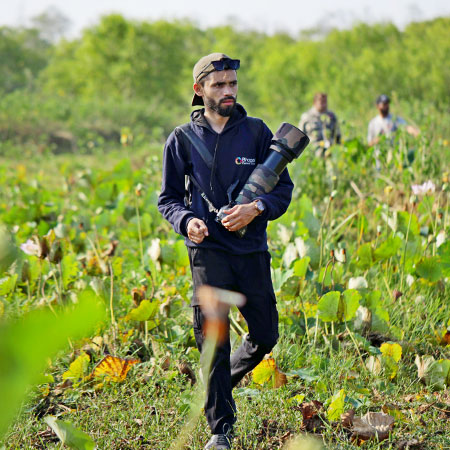
Kshitij Patle
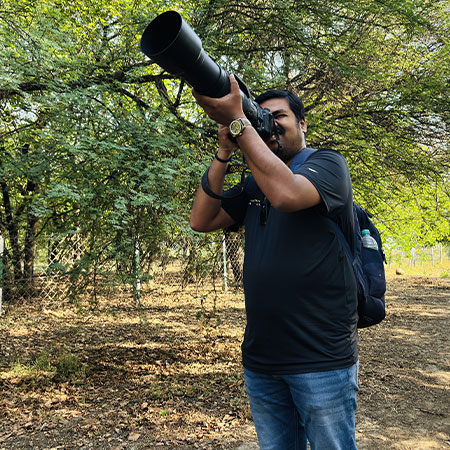
A Bird Photographer from Bhopal
After our event, we gathered at a nearby snack centre, reflecting on the importance of these practices. The mood was light, but the takeaway was serious: ethics are non-negotiable.
Bird photography in Bhopal is gaining popularity, and it’s essential that our local birding community sets a good example. Whether in wetlands, forests, or urban green spaces, our goal should be conservation through documentation, not disturbance.
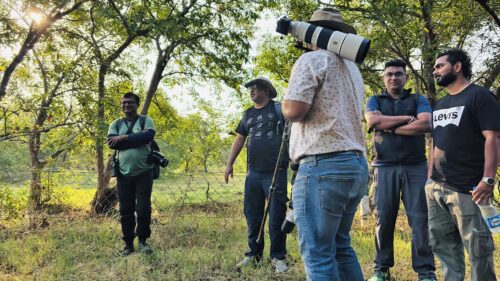
Members of the Bhopal Camera Club during the Bird Photography Workshop
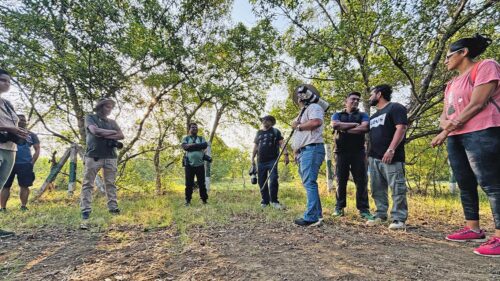
Members of the Bhopal Camera Club during the Bird Photography Workshop
Conclusion: Ethics Lead to Better Photography
By embracing responsible photography, we not only preserve the trust of our audience but also protect the natural world we cherish. Bird photography at Bhopal is not just about getting the shot—it’s about telling a story rooted in respect and conservation.
Let your lens tell a story that advocates for wildlife photography ethics and supports the birds we all admire. Together, through photography best practices, we can build a more ethical, informed, and conservation-minded birding community.
What are your thoughts? Share in a few words.